From Buikwe, Uganda
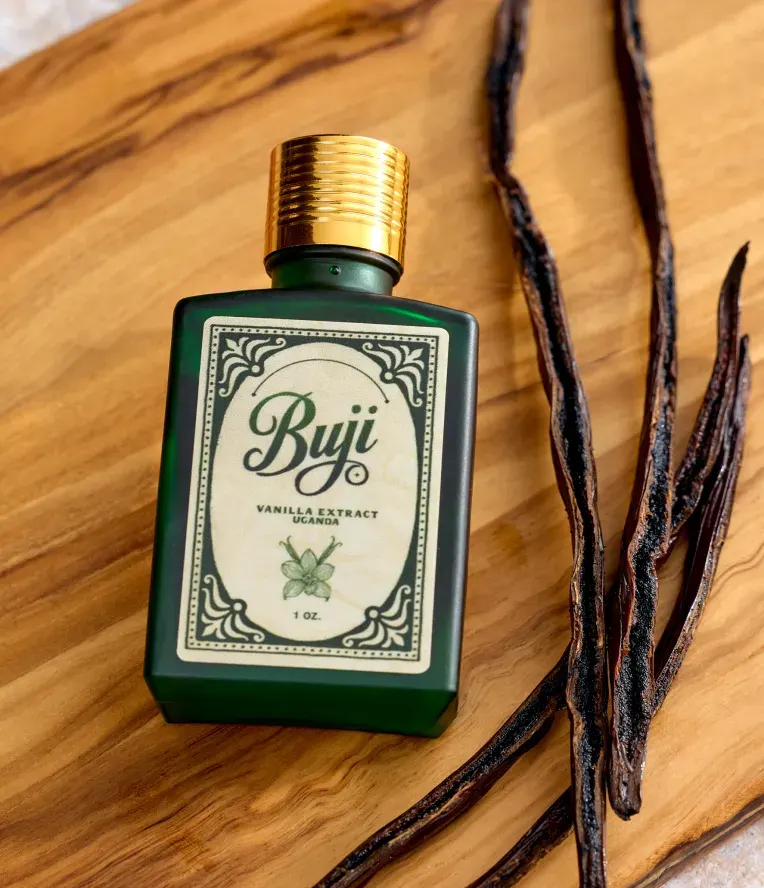
Buji Vanilla
The vanilla your child smelled. Whole beans, extract, paste and cocktail bitters from 21 mapped farms in Buikwe.
Visit Buji Vanilla (opens in a new tab)
Westhoff Elementary · Kindergarten Career Day · 22 Oct 2026
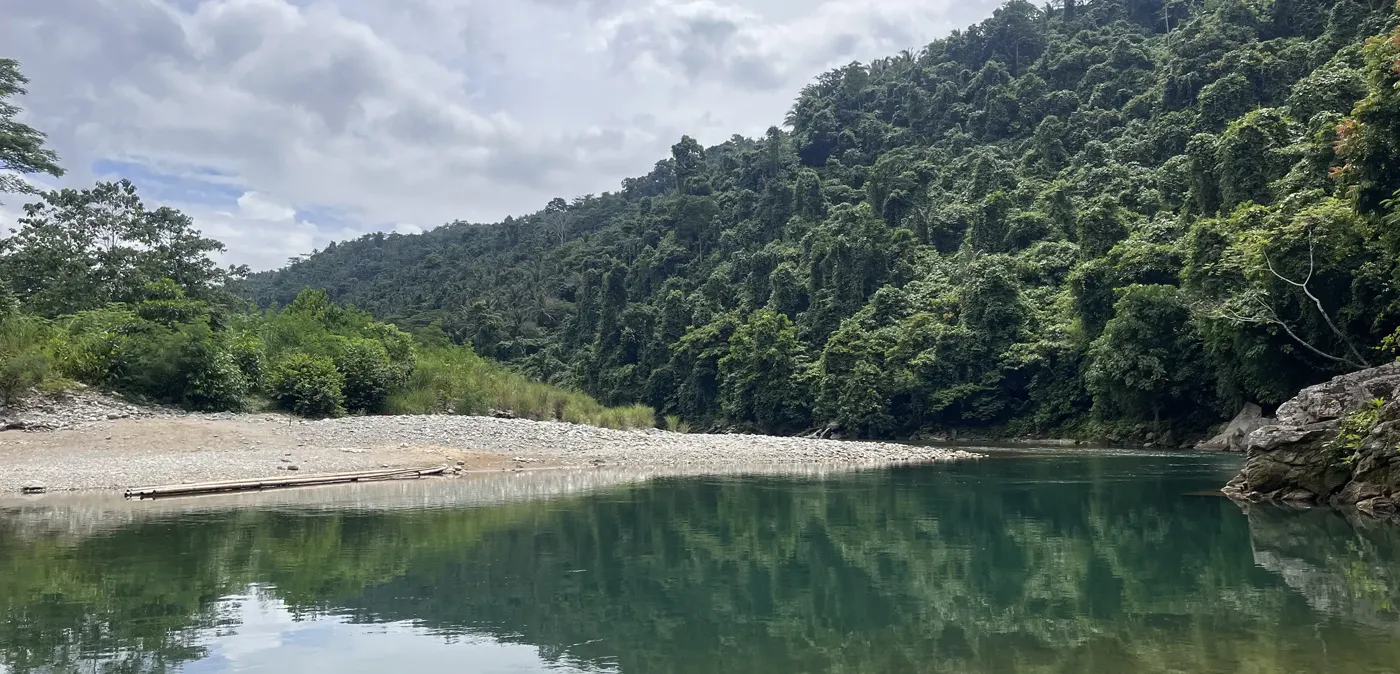
Your child met a forester today. Here is what they saw, how to plant the seeds they brought home, and what we do.
What your child saw
The seeds in the bag
A native wildflower of the Walnut area. The Tongva people, who have lived in this basin for thousands of years, ate its seeds and used them as medicine. It is the same idea we work by overseas: the people of the land know which plants feed and heal.
The bag has sand in it, so plant the seeds rather than eat them.
For the grown-ups
Wovoka is a natural capital operator. We restore degraded tropical land with the communities who hold it: native forest, agroforestry and mangroves, and the products, markets and carbon that make that land pay.
Our partners hold the land rights: Indigenous communities under ancestral domain titles, and people's organisations under community-based forest management agreements. Nothing is developed before the community's free, prior and informed consent.
In Oriental Mindoro and Camarines Norte we are planting native trees and mangroves with GCash GForest, more than a million trees from 2026 to 2030. Our Mindoro project is listed on Verra's pipeline as VCS 6023.
How it fits together
The land we restore grows things people buy. Each brand sells on its own site.
The vanilla your child smelled. Whole beans, extract, paste and cocktail bitters from 21 mapped farms in Buikwe.
Visit Buji Vanilla (opens in a new tab)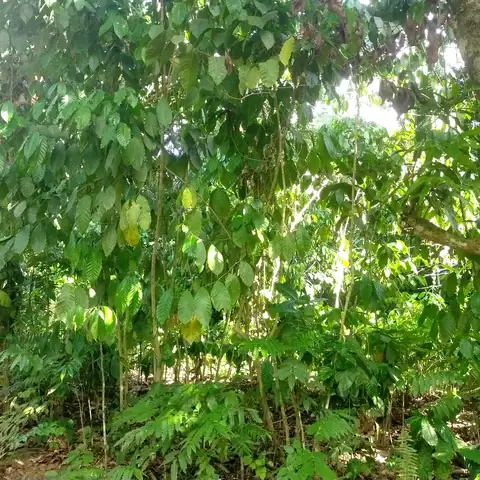
Robusta, Arabica, Excelsa and Liberica from smallholder farms in Oriental Mindoro, shade-grown under trees, with processing at origin in Roxas.
Visit Mindoro Coffee (opens in a new tab)For families and classrooms
A comic for ages 4 to 8 set in the Mindoro forest, with free games to play on the TV. The first book is still being made.