
Restoration That Pays Communities To Protect Nature
Wovoka develops restoration projects that combine Indigenous partnerships, agroforestry revenue, restoration finance, and carbon development into long-term living ecosystems.
Restoration Built Beyond Carbon Alone
Most restoration projects are designed around future carbon revenue alone. Wovoka takes a broader approach by combining Indigenous partnerships, agroforestry systems, restoration finance, and long-term stewardship into projects designed to support both ecosystems and the communities connected to them.
Indigenous and community partnerships
Agroforestry and nature-based economic activity
Restoration finance
Scientific verification and monitoring
Carbon development as one layer of value, not the only one
The result is a development model intended to reduce extraction, strengthen local participation, and create more durable restoration outcomes across Southeast Asia and beyond.
Our Theory Of Change
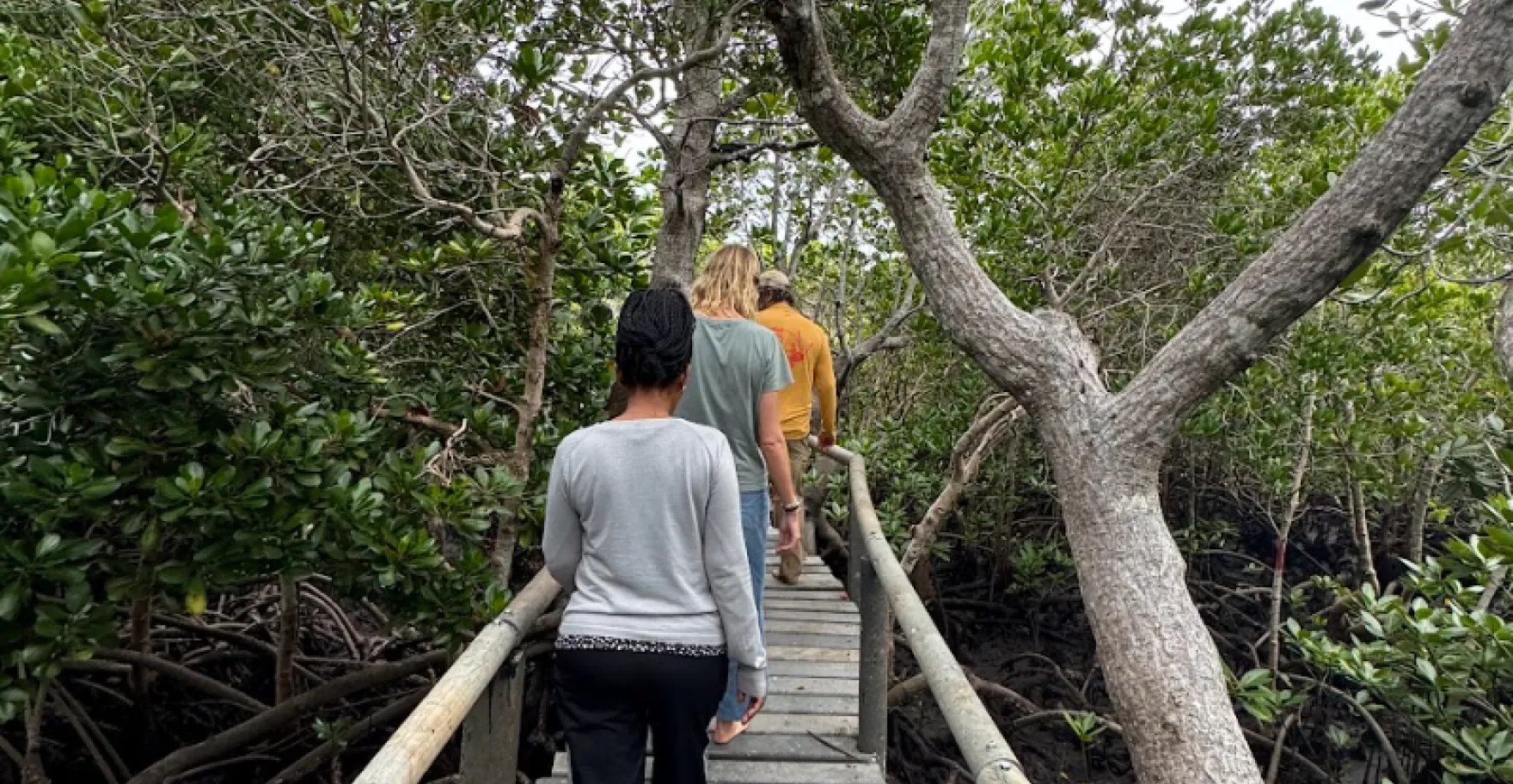
Restoration becomes scalable when communities benefit from protecting ecosystems.
Community-Led Partnerships
Projects are developed alongside Indigenous groups, local organizations, and long-term land stewards to create restoration systems built around shared participation and local stewardship.
Multiple Revenue Layers
Agroforestry, restoration finance, and carbon development work together to create more resilient restoration systems and stronger long-term economic activity.
Scientific Accountability
Drone mapping, biodiversity assessments, field verification, and monitoring systems help support transparent project oversight and long-term credibility.
Long-Term Stewardship
Projects are structured around restoration, monitoring, verification, and ongoing community participation designed to support ecosystems over decades.
The Development Process
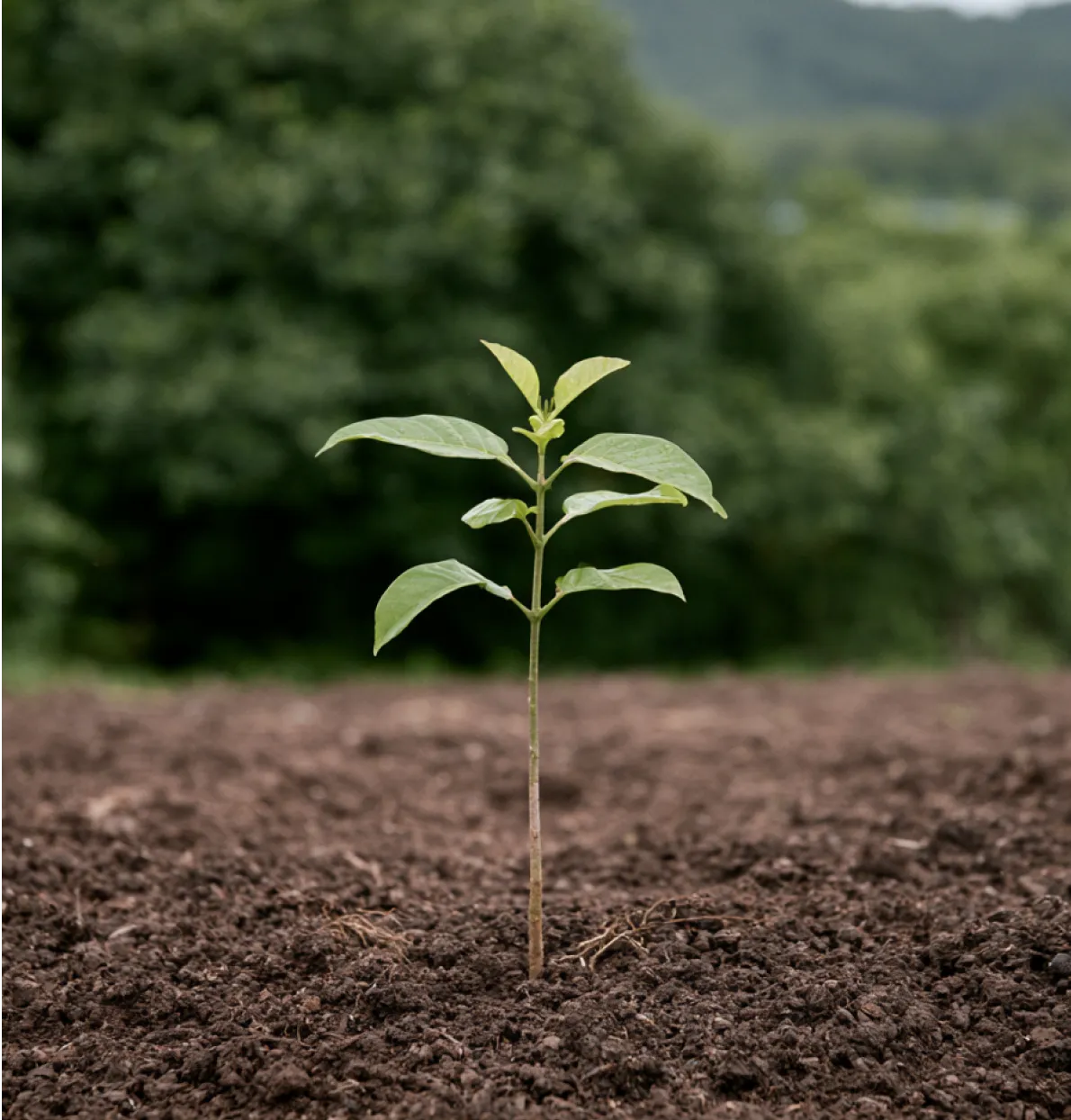
Screening & Pre-Feasibility
GIS analysis, satellite mapping, government coordination, and rapid field assessments help identify viable restoration areas and aligned partners.
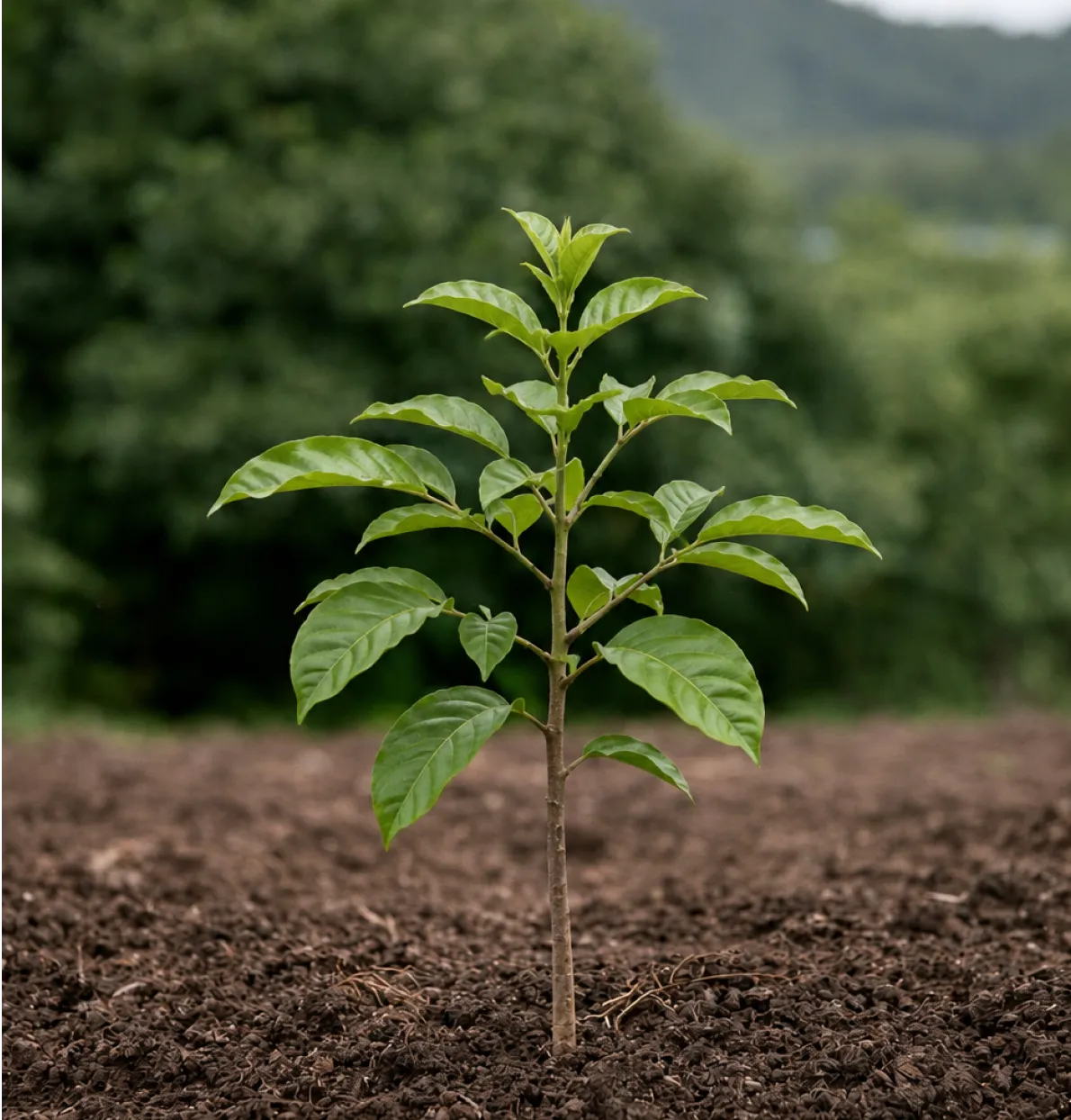
Feasibility & Project Listing
Community readiness, FPIC groundwork, carbon baselines, legal authority, and project feasibility are established before development moves forward.
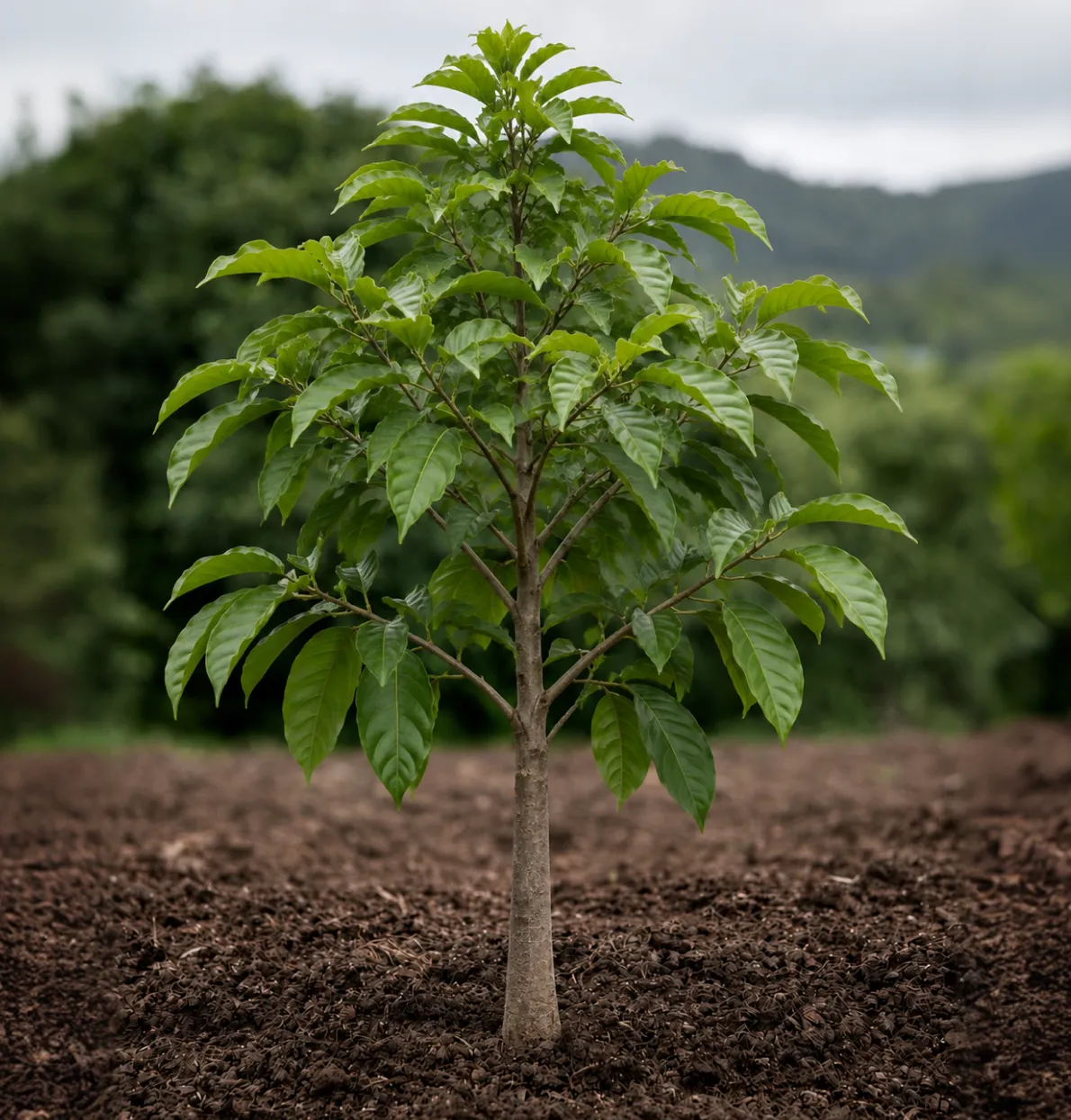
Project Development
Social safeguards, biodiversity baselines, implementation plans, restoration pilots, and validation preparation are completed to prepare the project for long-term execution
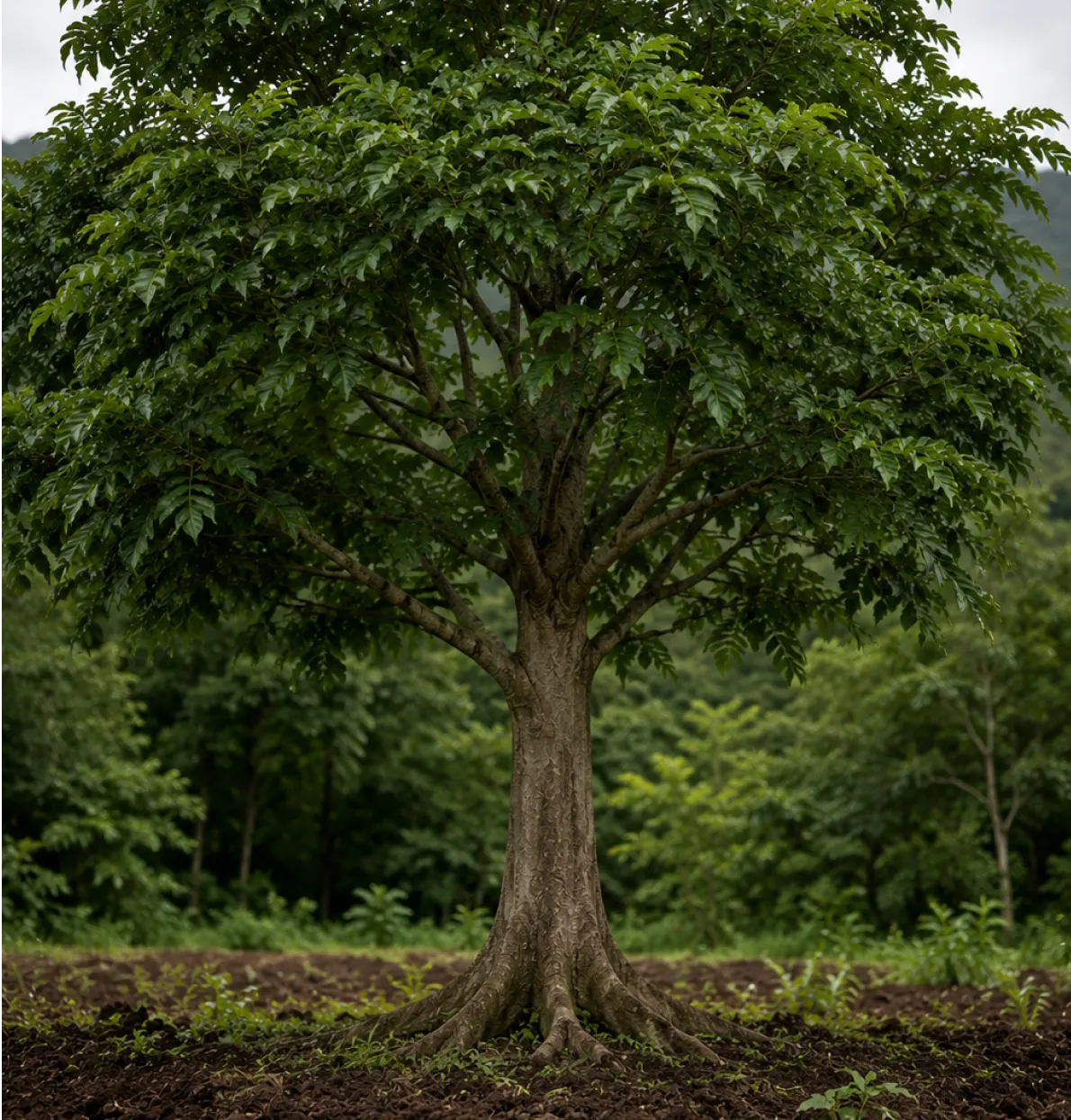
Long-Term Implementation
Projects move into restoration operations, monitoring, verification, community benefit delivery, and long-term ecological management over decades.
Your Partner in Regenerative natural capital
Wovoka’s model combines restoration finance, agroforestry systems, and future carbon development to help projects operate sustainably over the long term.


Agroforestry Revenue
Coffee, cacao, vanilla, and other forest-compatible crops help create earlier economic activity for partner communities.
.webp)
.svg)
Restoration Finance
Early-stage funding supports feasibility work, nurseries, planting systems, monitoring, and implementation.
.webp)
.svg)
Carbon Pre-Purchase
Future credit pre-purchase structures can help finance project development before formal issuance pathways are completed
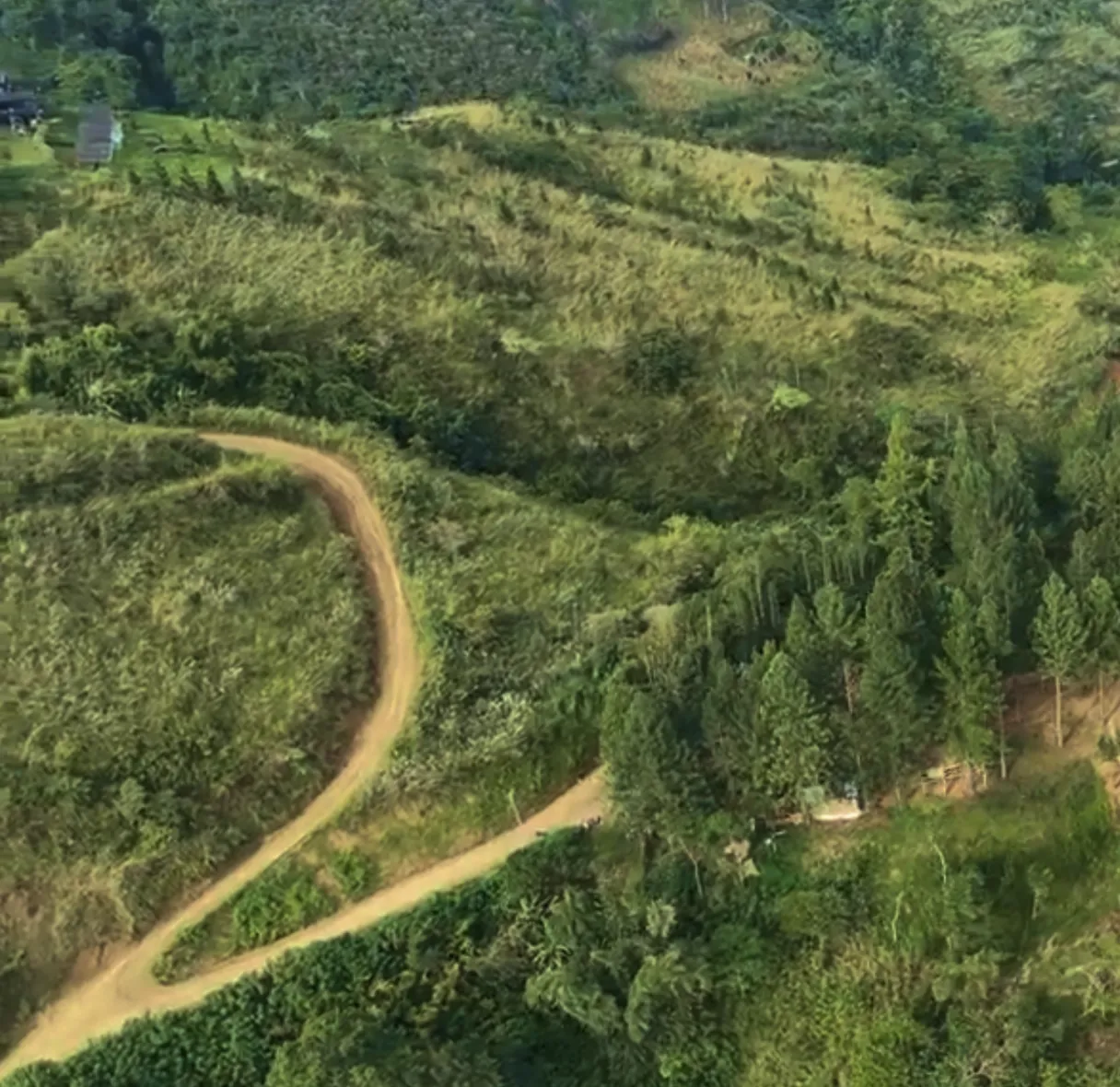
We only develop projects designed to survive decades, not funding cycles.
Wovoka projects are structured around long-term monitoring, periodic verification, ecological maintenance, and durable community participation. Many restoration systems may operate for 30+ years through ongoing stewardship and verification cycles.
Long-Term Focus Areas
Ongoing restoration and maintenance
Biodiversity and ecological monitoring
Community co-benefits
Periodic third-party verification
Long-term ecosystem resilience
Restoration requires more than planting trees.
It requires long-term partnerships, durable financing, scientific credibility, and communities that benefit from keeping ecosystems alive.