
About Wovoka
Land that pays the people who hold it.
Wovoka is a natural capital operator. We restore degraded tropical land with the communities who hold it, and build the products, markets, carbon and tools that make that land pay. We are a company, not an NGO, and not one more carbon project developer.
Why we exist
The land is worth more than its owners are offered.
For more than a century, the people who held the land were paid a fraction of its value, and the buyers' own records say so. The pattern has not ended. A smallholder farming coffee under shade trees is paid for the coffee, while the canopy above it holds carbon, keeps water in the soil and shelters wildlife for nothing. New carbon contracts still take their cut before a single cost.
We lost the 19th century to extraction. We can't afford to lose the 21st.
What we do about it
We build yield on land that stays with its people.
Yield, for us, is what restored land produces: harvests first, then carbon, then the water, soil and habitat no market pays for yet. The history shows three tools that decide who keeps it. We work to put all three in the hands of the people who hold the land.
-
Title they control
We work where communities hold the land: Indigenous communities under ancestral domain titles (CADTs), and people's organisations under community-based forest management agreements (CBFMAs) with DENR. The land stays theirs, and nothing is developed before free, prior and informed consent.
-
Access to capital
Restored land has to earn before carbon can. We build supply chains that pay from the first harvests (Buji Vanilla is in market and Mindoro Coffee is next) and bring in partners who fund the planting, such as GCash GForest.
-
Advice that answers to them
We read the contracts with the communities and say so when a deal is bad. In 2024 we were offered a carbon deal that took $32.50 of every $100 before a single cost, for forty years. We read it with the communities and said no.
How we are built
Fewer layers between the land and the buyer.
-
An operator, not a developer
A developer hands a project document to someone else. An operator runs the land: our own field teams in Luzon and Mindanao work on it with the people who hold it, for decades.
-
Short chains
Every middleman between the farm and the buyer takes a cut. We keep the chain short: coffee processed at origin in Roxas, vanilla sold under its own brand, so more of the price stays on the land.
-
Our own tools
Ghost Dance, our field app, is built to pay community members in GCash for each approved photo of their land. Carbon.Supply, the registry tracker we built, reads four carbon registries every day.
-
Proof before claims
Carbon claims get audited, so we quote the registry instead of describing it, and date the check. Mindoro is listed on Verra's pipeline; no credits have been issued.
The record
Our name
Why we carry Wovoka's name.
Wovoka (c. 1856 to 1932) was the Northern Paiute leader of Mason Valley, Nevada, whose 1889 vision began the Ghost Dance. He lived through the taking of his people's land, water and pine-nut groves, for a fraction of what they were worth.
We took the name because of the vision: an earth made whole again, the land and what lives on it restored, and the people who belong to it alive on it. Our field app, Ghost Dance, takes its name from the same movement.
We are not Paiute, and we do not speak for the Paiute. What we can do is make sure that anyone who meets the name can find out who he was, what he taught, and what was done to his people and their land. That is what www.wovoka.org is for.
Read his story on wovoka.org (opens in a new tab)Team
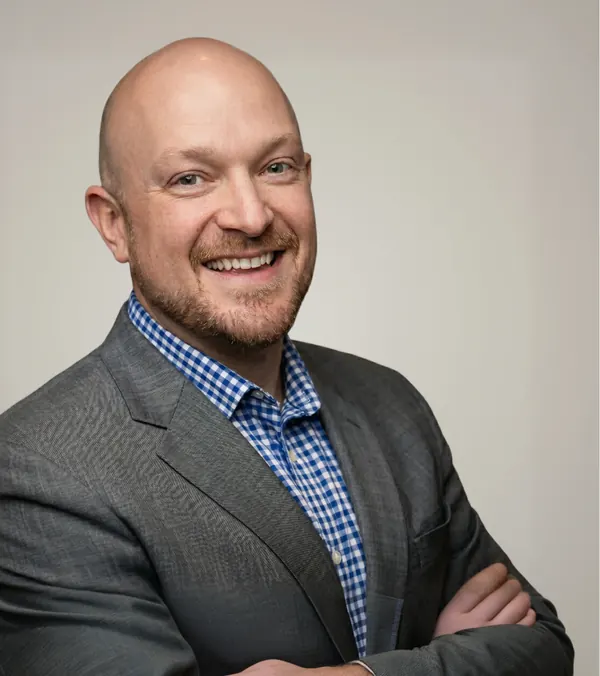
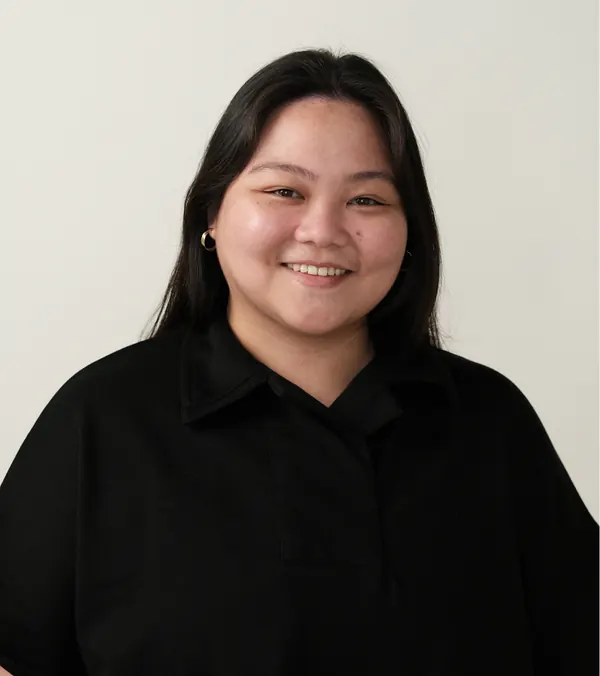
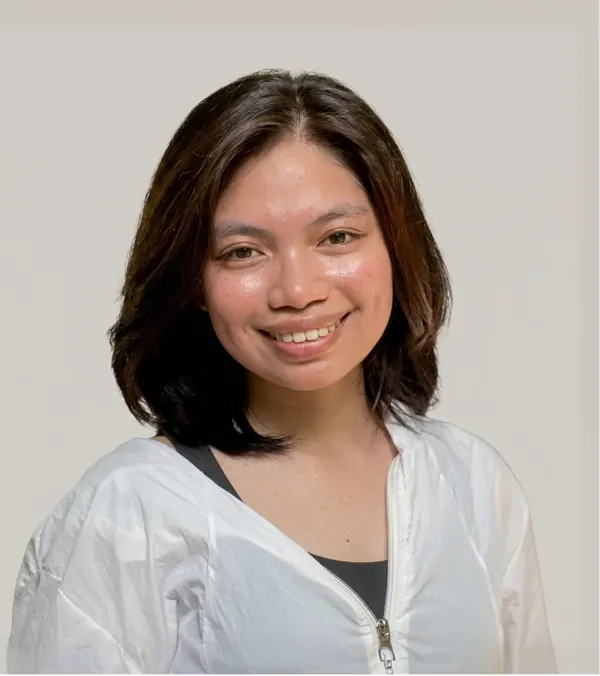
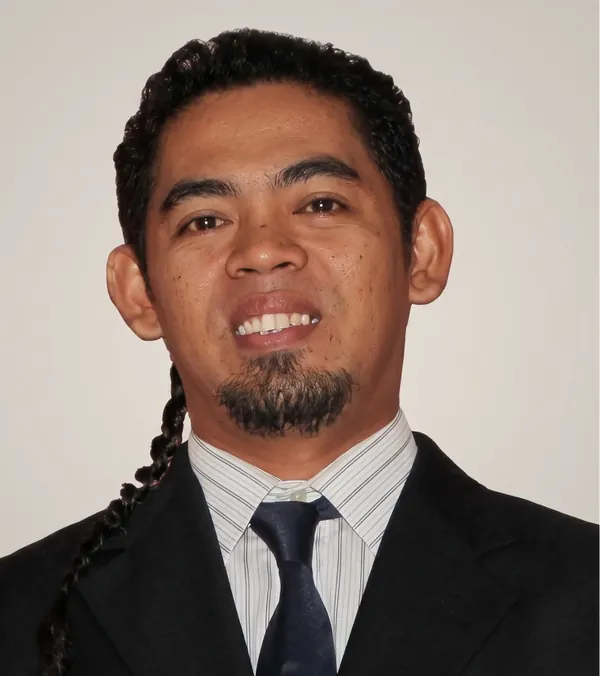
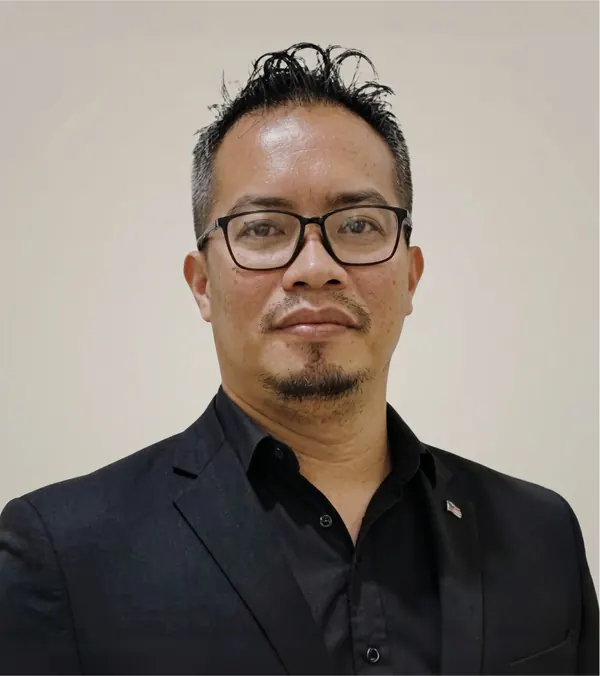
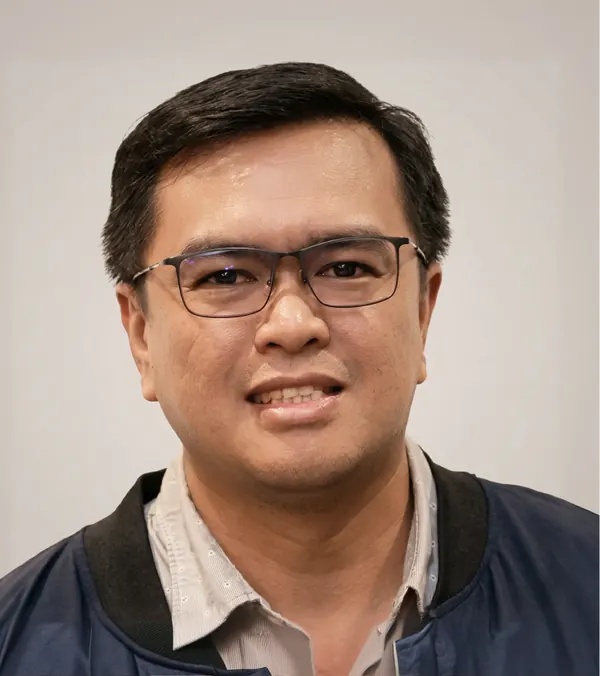
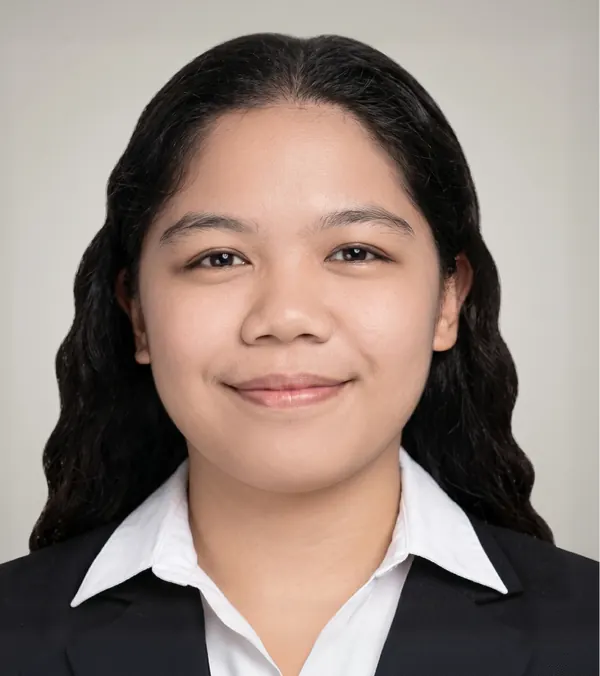
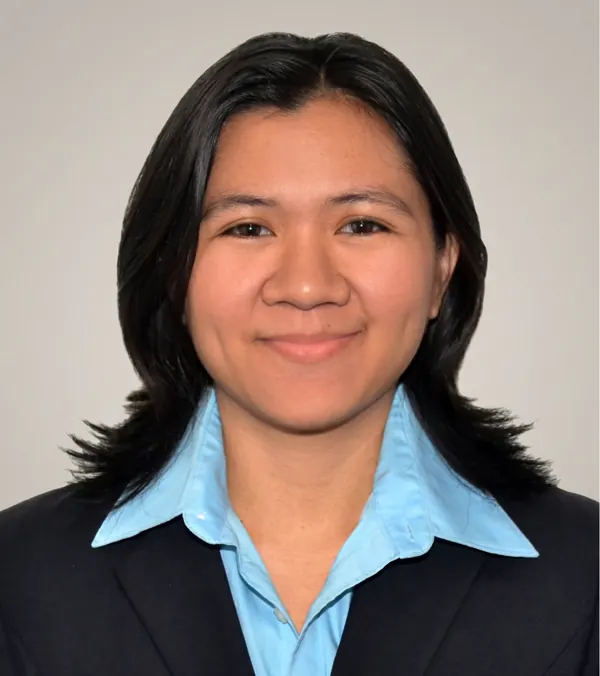
Philippines-led, from fieldwork to project development.

Advisory board
Fourteen advisors, from blue carbon to Indigenous rights.
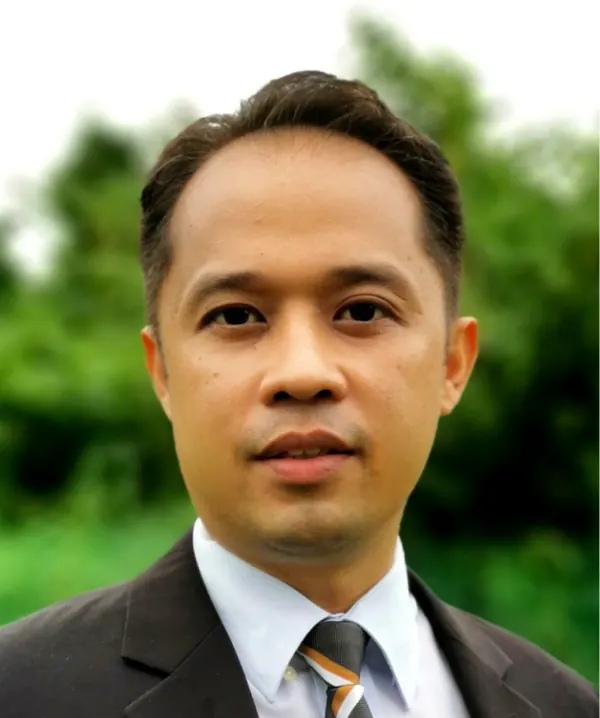
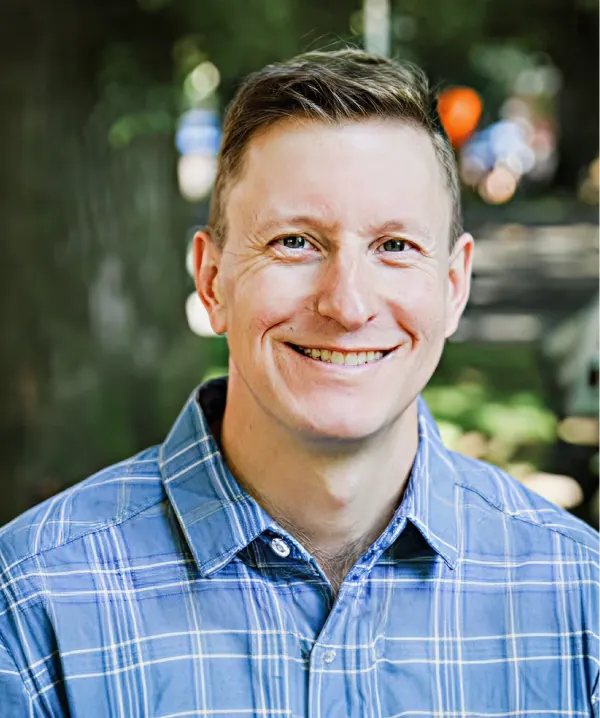
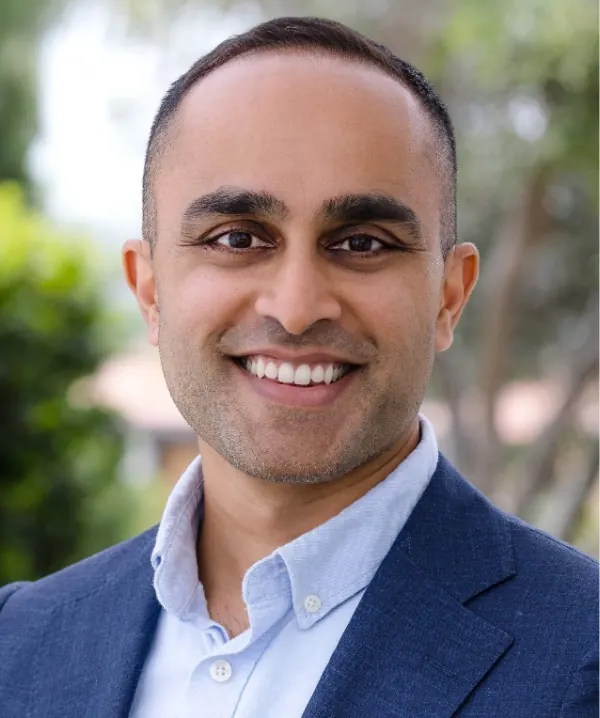
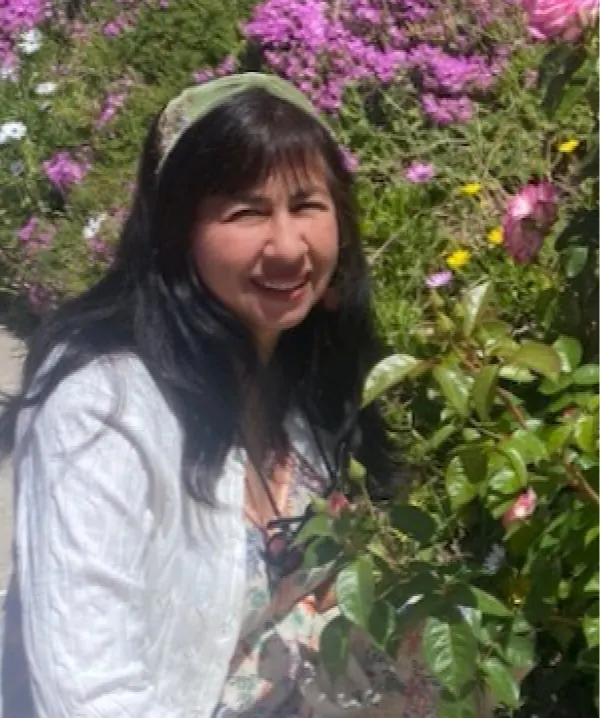
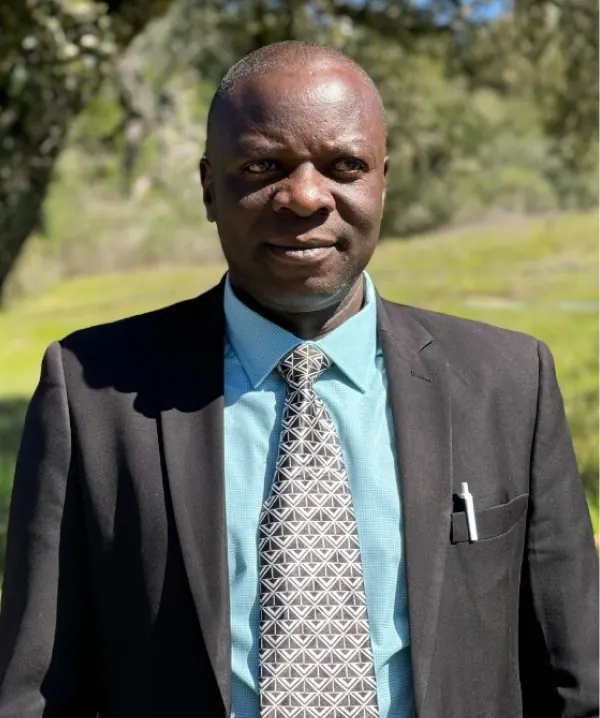
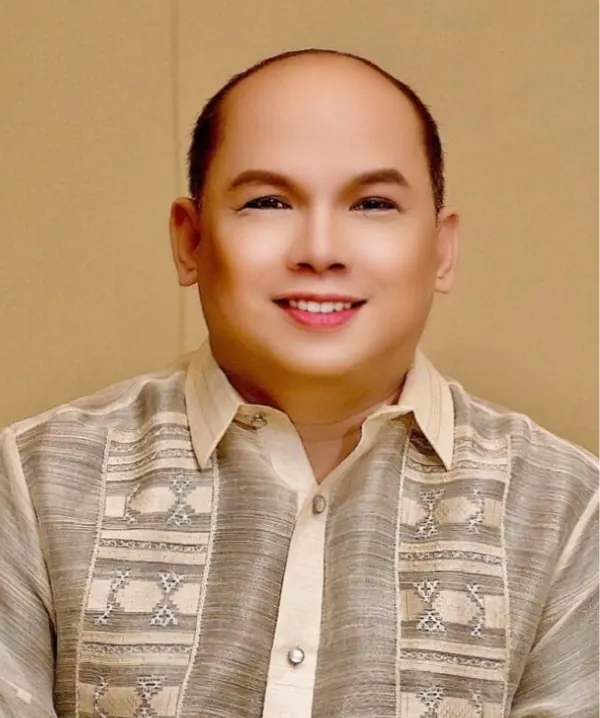
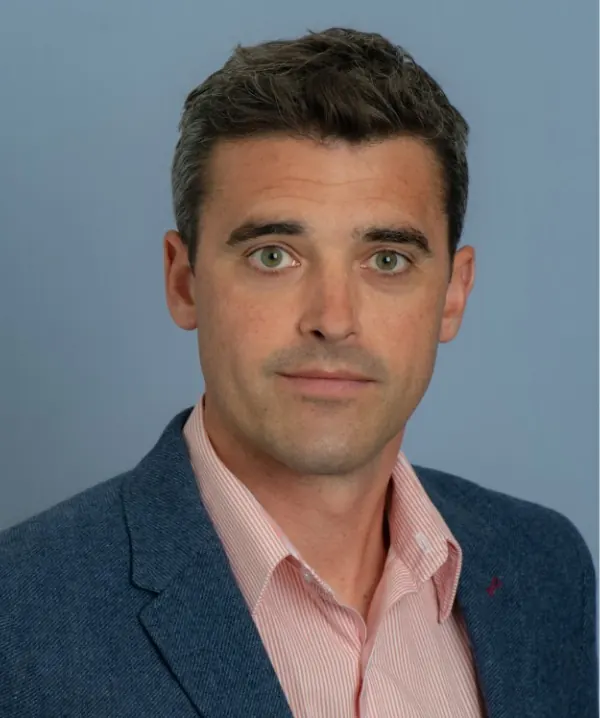
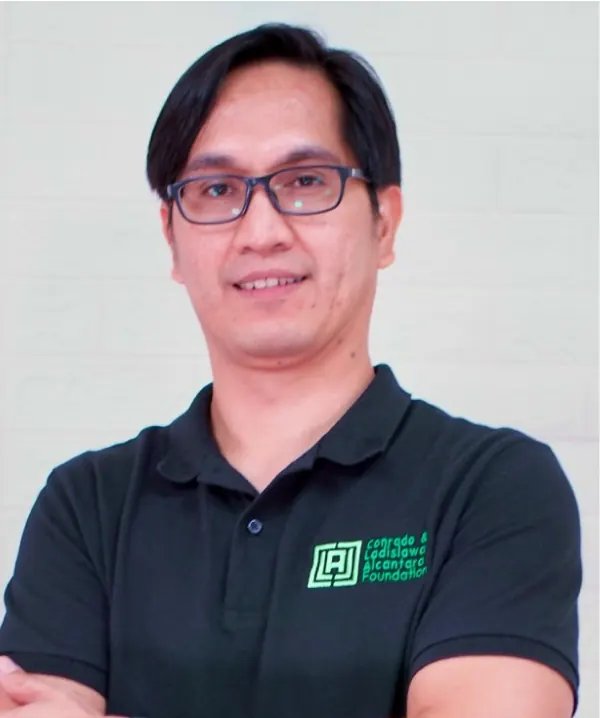
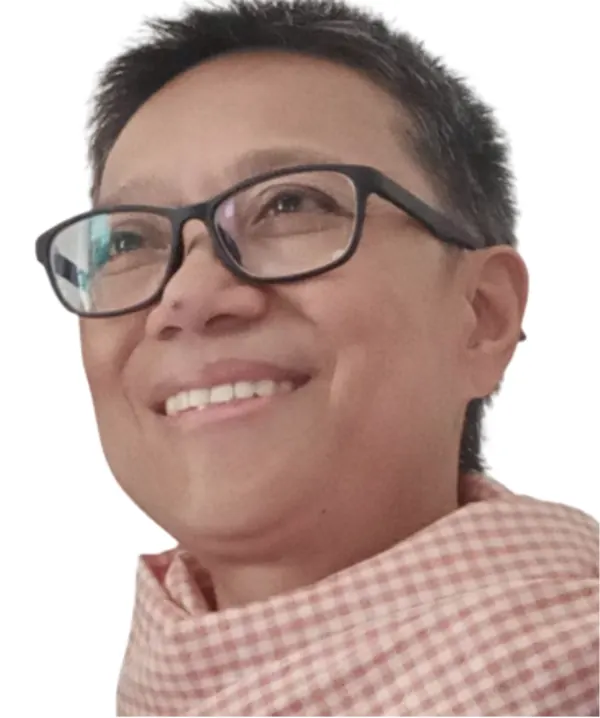

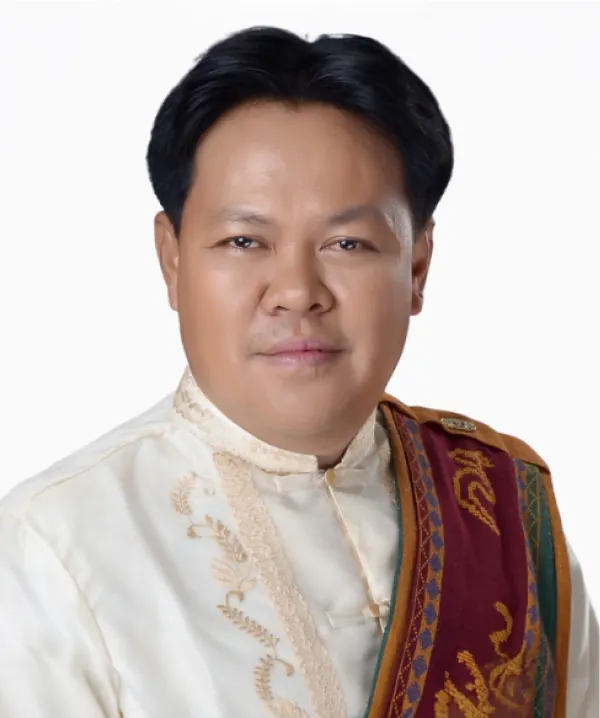
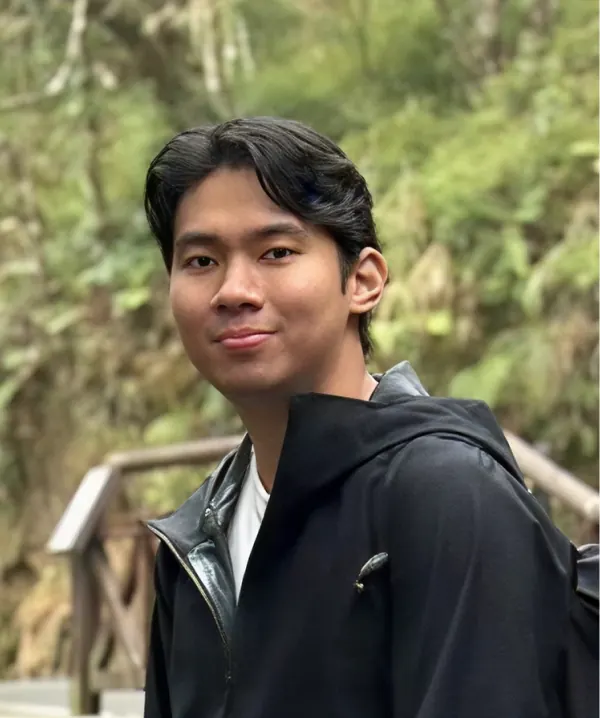
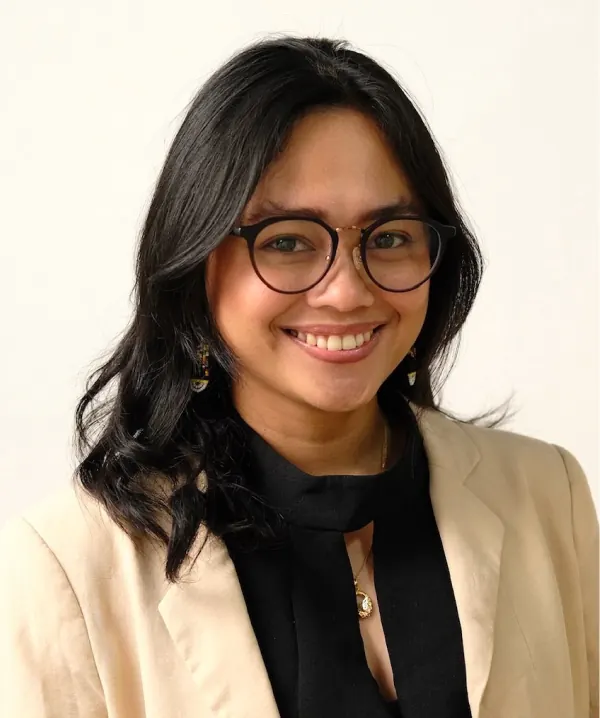
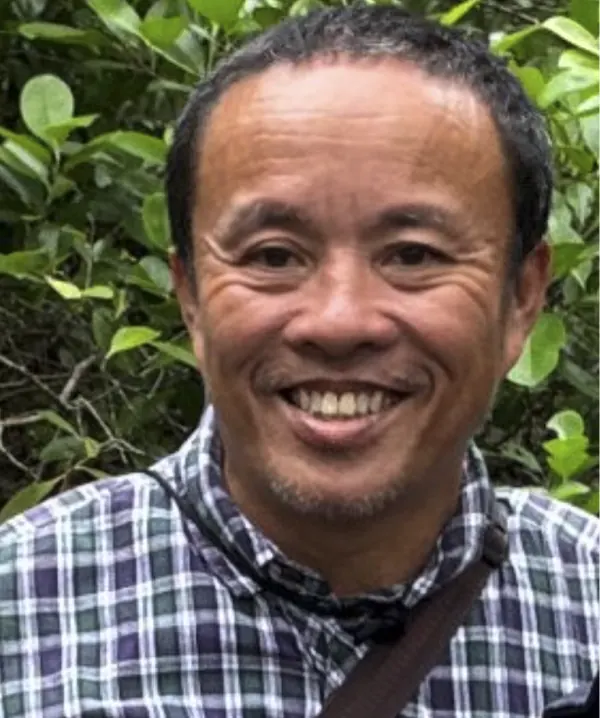 Ramil RavizCommunity-led restoration
Who we work with
On the land, in government and in the field.
- On the land
- Mangyan Indigenous communities and 12 people's organisations in Mindoro; CAMADA in Capalonga, Camarines Norte; FEMMATRICS, the Federation of Matigsalug-Manobo Tribal Councils, in Bukidnon; the Rural Agency for Sustainable Development (RASD) in Buikwe, Uganda.
- Government
- DENR, NCIP and the local government units where we work.



Related, and separate
Each part does its own job.
Wovoka Advisory
Our sister firm, a separate company. It does feasibility and field work for multilaterals, government and project developers.
hello@wovokagroup.comInclusive Forests
Wovoka is a company and does not take donations. Gifts go to Inclusive Forests, the nonprofit that backs proven local operators, which is opening its US giving channel now.
inclusiveforests.org (opens in a new tab)Carbon.Supply
The carbon registry tracker we built, a product of Wovoka Inc. It reads Verra, Gold Standard, Isometric and Equitable Earth every day.
carbon.supply (opens in a new tab)From these landscapes
Buji Vanilla, from 21 mapped farms in Buikwe, Uganda, and Mindoro Coffee, shade-grown in Oriental Mindoro. Each brand sells on its own site.
Buji Vanilla (opens in a new tab) Mindoro Coffee (opens in a new tab)
Partner with us
For companies, funders, carbon credit buyers and researchers who want to work with us on a project.
Start a conversation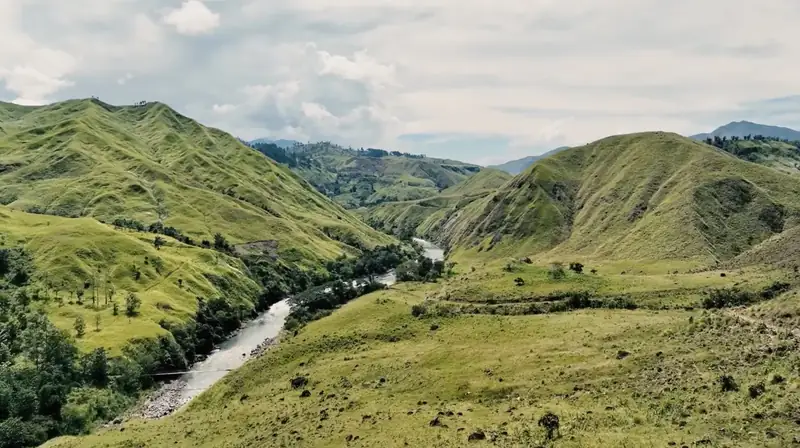
Scope your land
For people's organisations, Indigenous councils, local governments and landowners in the Philippines with land to restore. You keep the land, and nothing starts without your community's free, prior and informed consent.
Tell us about the land