Mindoro Arawatan Carbon Project
An island-wide restoration and agroforestry project in one of Philippines’s critically degraded biodiversity corridors

Oriental & Occidental Mindoro, Philippines

ARR

Mangyan Indigenous Partnerships

30-Year Period
10,000 ha
Restoration area
38,000 ha
Expansion Potential
2.087M
tCO2e total Removals
2.1M
Projected VCUs
Restoring Mindoro’s forests through unity, stewardship, and long-term value
The Mindoro Arawatan Carbon Project is a 10,000-hectare reforestation initiative across the critically biodiversity corridor–Mindoro Island, co-developed with 6 Indigenous Cultural Communities and 12 Farmer Organizations.
Backed by over USD 1 million in early-stage funding, the project combines agroforestry, biodiversity restoration, and carbon sequestration, with an estimated generation of 2 million Verified Carbon Units (VCUs) over its 30-year lifespan.
.webp)
.webp)
Ways To Participate


Support Community Programs
Contribute directly to local livelihoods, nursery development, and forest protection initiatives.
Have Questions or want to invest $100k+ in equity Opportunities?
Ecological Impact
From degraded land to living forest systems
Native Forest Restoration
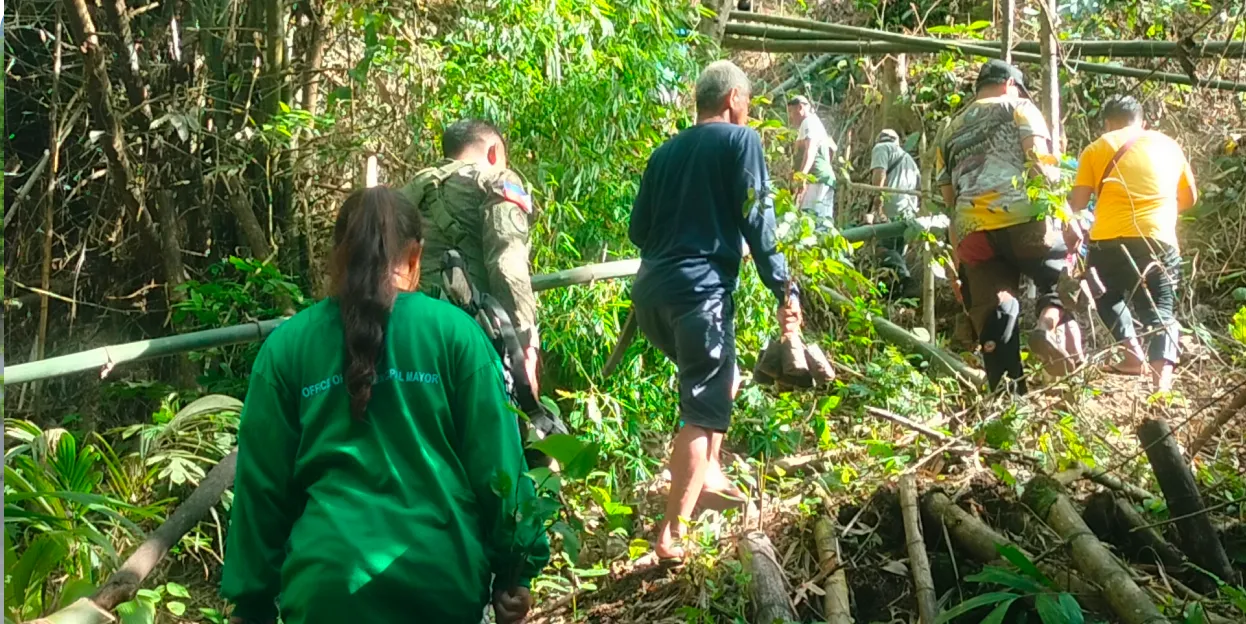
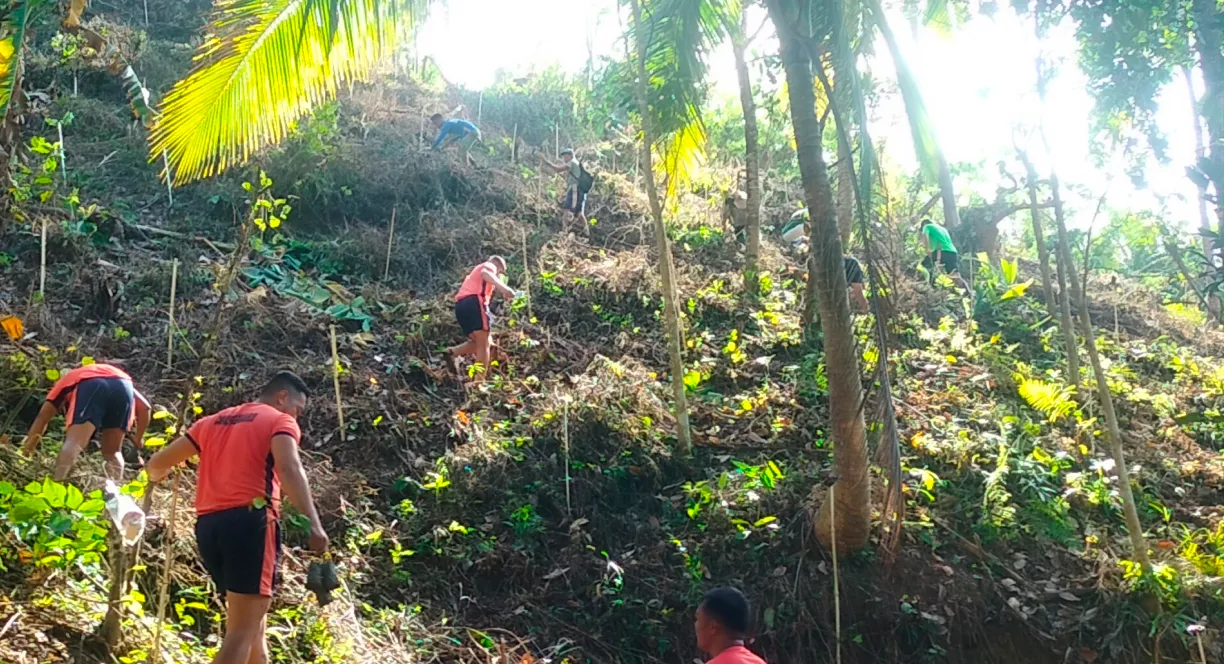
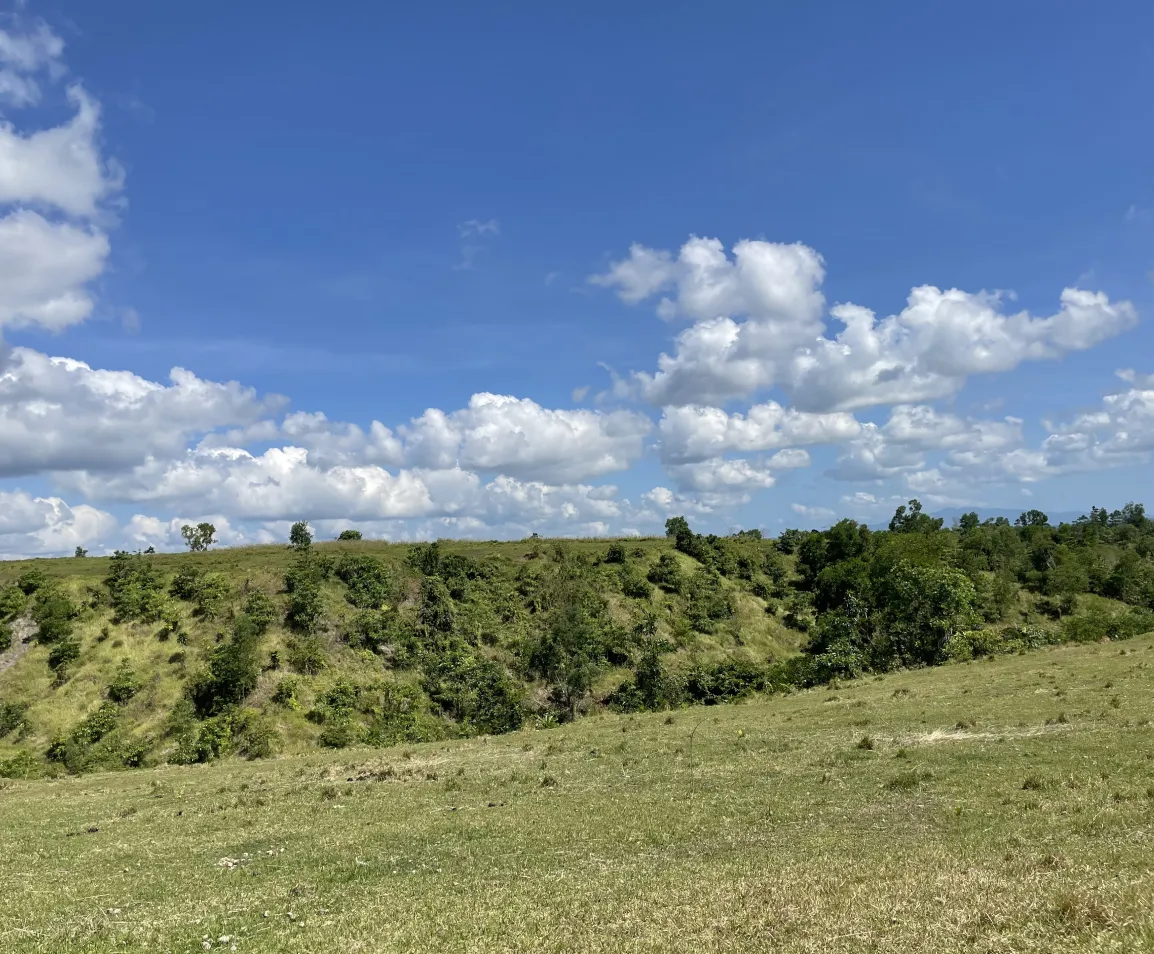
The project will restore degraded open forests, grasslands, shrublands, and previously cultivated areas across Mindoro using a native restoration model designed to rebuild forest structure over time.
Planting will prioritize native and indigenous species such as dao, narra, lauan, dipterocarps, and other locally appropriate trees. The restoration design follows a multi-layered forest structure, with species arranged across canopy, midstory, and understory layers to mimic natural forest recovery.
Agroforestry & Livelihood Integration
Arawatan does not treat livelihoods as an add-on. Agroforestry is built directly into the restoration model so communities have a long-term reason to maintain and protect the forest.
Coffee, cacao, vanilla, citronella, banana, and other locally selected non-timber forest products will be integrated into the lower canopy and understory layers. This helps diversify income, reduce pressure on restored forest areas, and create pathways for community-grown products to reach broader markets.
Community Nursery Systems
The project will establish satellite nurseries and decentralized backyard nurseries to support seedling production at scale.
Each satellite nursery is designed to produce approximately 300,000 seedlings, while backyard nurseries managed by individual farmers may support around 10,000 to 15,000 seedlings each. This creates a stronger restoration supply chain while building local skills, participation, and income opportunities.
.webp)
.webp)
Digital MRV & Field Monitoring
Monitoring will combine field-based assessments, drone flights, satellite analysis, mobile data collection, and community patrolling.
Each seedling will be geotagged at planting and linked to species, date of establishment, and planter identity. This creates a traceable monitoring system designed to support transparency, survival tracking, maintenance planning, and future verification.
Restoration Over Time
Arawatan is designed as a phased restoration project. Early pilots help test species performance, nursery workflows, community systems, and monitoring protocols before larger-scale implementation expands across eligible ancestral domains and community-managed forestlands.
2025
•
Pilot Phase
A 20-hectare ARR pilot was implemented and completed with two People’s Organizations in Oriental Mindoro. The pilot helps inform planting design, survivability assumptions, risk management, livelihood design, and adaptive management.
2026
•
Pilot Continuationa
The project continues its pilot and preparation phase, including further engagement, operational planning, and restoration readiness across approximately 136 hectares.
2027-2028
•
Scaling & Expansion
Large-scale restoration begins, expanding across approximately 2,250 hectares. This phase includes nursery operations, site preparation, planting, early-stage maintenance, strengthened community systems, field monitoring, and refinement of implementation workflows.
2029
•
Landscape-Scale Growth
The project scales toward approximately 4,000 hectares in annual restoration activity, deepening the integration of native forest recovery and agroforestry systems.
2030
•
Stabilization & Continued Stewardship
A further 4,000 hectares are planned as the project moves into a larger stewardship phase, with maintenance, protection, agroforestry development, and long-term monitoring continuing across restored areas.
Restoration led with the communities who manage the land.
The project is rooted in partnerships with Indigenous Peoples and local community organizations across Mindoro, including groups with ancestral domain titles and community-based forest management agreements.
Wovoka leads project development, carbon structuring, monitoring, and technical coordination, while local communities remain central to land stewardship, implementation, and long-term protection.
On the ground, participating communities help restore, maintain, and monitor the forests, making them co-stewards of both the land and the value the project creates.
Mangyan Indigenous Communities
6 Indigenous Cultural Communities
.webp)
People’s Organizations
12 partner organizations
.webp)
Wovoka Philippines
Project developer & co-proponent
.webp)
Public & Local Agencies
DENR, NCIP & LGUs
.webp)
Built for carbon integrity
Designed for high-integrity restoration financea
The Mindoro Arawatan Carbon Project follows the Verified Carbon Standard using the VM0047 Afforestation, Reforestation, and Revegetation methodology. It is designed as a grouped project with unified management and monitoring systems, allowing new eligible areas to be added over time while maintaining consistent safeguards and carbon accounting.
Project activities are focused on lands that meet ARR eligibility requirements, including areas that have remained non-forested for at least 10 years prior to the project start date. Eligibility is supported through historical satellite imagery, DENR land cover maps, ancestral domain shapefiles, and on-ground assessments.
Invest in the future of Mindoro’s forests
Pre-purchase future carbon credits from a restoration project designed to reconnect biodiversity corridors, support Indigenous-led stewardship, and build long-term climate value across Mindoro Island.