
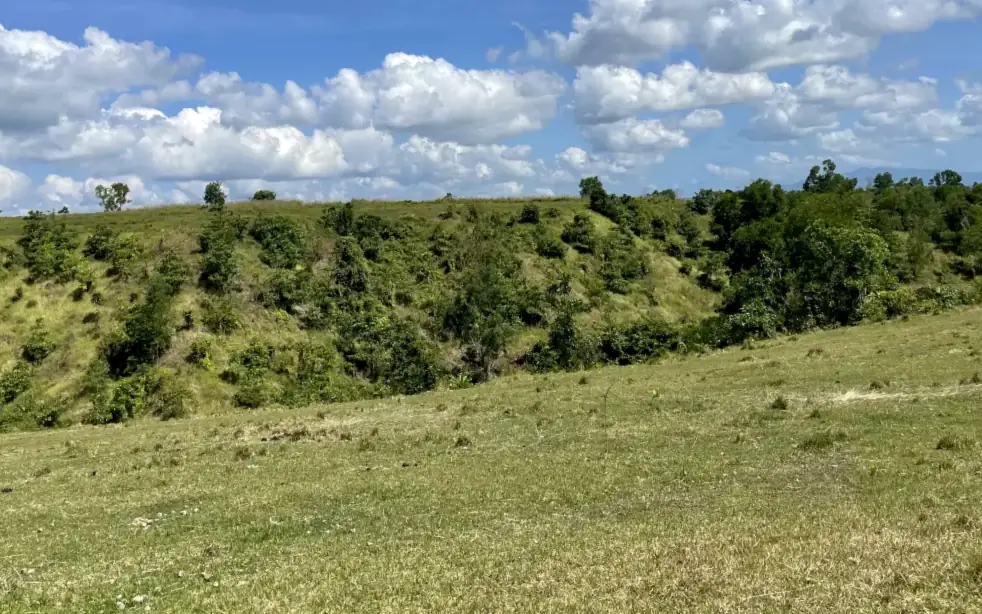
The Philippines, 2024 · The Great Sioux Reservation, 1889
The same deal, 135 years apart.
In 2024 a carbon developer wanted forty years of rights over more than 10,000 hectares held by four people's organisations we work with. It took a third off the top and left the rest to build everything. We said no. In 1889 the Lakota were sold the same deal for their land.
Of every $100 of carbon sold
A third off the top. Two‑thirds to build the whole project, from zero.
$100 paid by a buyer for carbon credits
The developer's $32.50
Nearly all margin
No planting, no upkeep, no audits, no taxes on the project. It goes to a head office abroad and to returns for the developer's venture-capital backers: a high-margin, low-overhead model, built on someone else's land.
The $67.50 has to pay for all of this, first
- Nurseries and planting
- Forty years of upkeep
- Roads, buildings and equipment
- Project management
- The environmental assessment
- The consent process and social studies
- The audits buyers require
- Taxes
- Credits pre-sold to buyers, delivered from this share
- The developer's advances, repaid before anyone else
Whatever is left goes to the communities, their organisations and us. There is no minimum.
What we objected to, in writing, in 2024
Forty years. Nothing upfront for the communities.
Forty years of exclusive rights
Over more than 10,000 hectares the people's organisations hold. The only money upfront was $30,000, and that was a contract for us to run the consent process and social baseline. None of it went to the communities.
The pilots taken away
The first phase promised the communities funded pilots, real money for them, and a 20% share for the developer. Once they had shown they could plant, the pilots were dropped and the share became a quarter of all credits, gross.
A fee on top of the share
7.5% of every sale. We wrote back that the going rate was 3 to 5%.
Every cost on the land's side
All of it from the communities' and our share, and the developer repaid first.
They sell, they decide
When, to whom and at what price, for forty years. The credits never pass through the project's own registry account.
No floor for the community
A community fund only if the law, a buyer or the developer's advisers required one.
An old deal
We have seen this before.
Outsiders arrive, tell the people who hold the land that it is worth nothing until they take it on, and leave them next to nothing for it.
In 1889 the United States took half the Great Sioux Reservation. The Lakota had asked $1.25 an acre; they were paid about 57¢. That autumn, Lakota councils sent delegates west to hear Wovoka, the man our company is named after.
“What makes your land just now worth anything at all?”
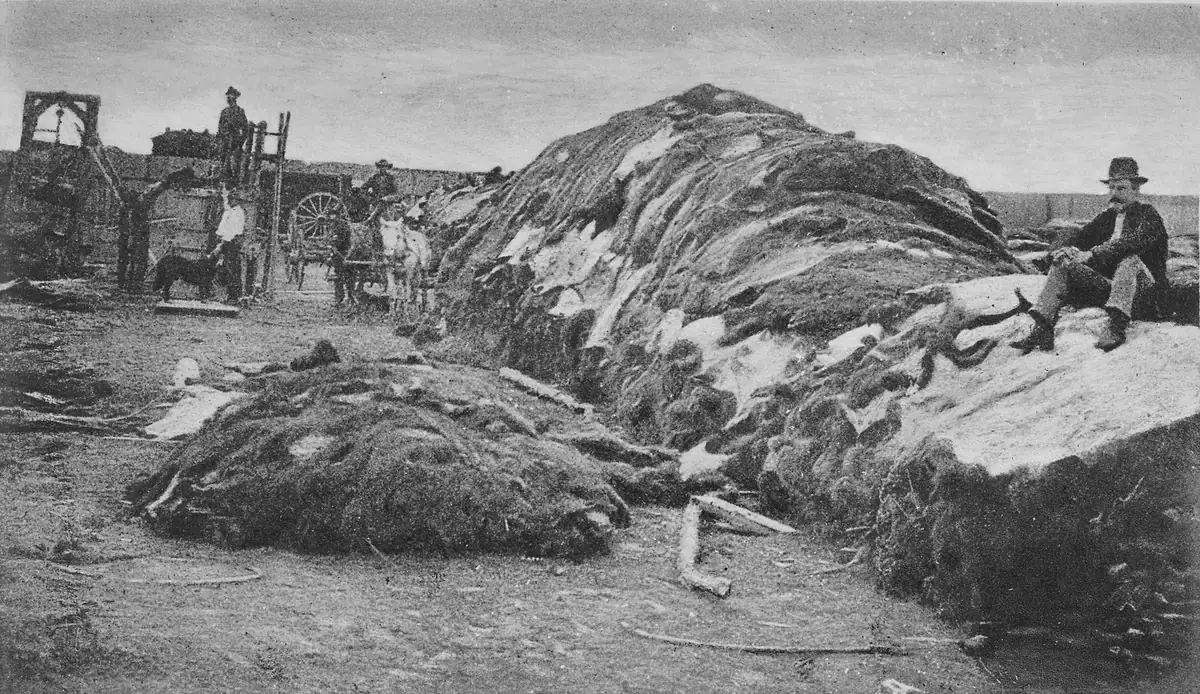
135 years on, the paperwork has changed. The instinct has not.
Who Wovoka was (opens in a new tab)Our reading
Too many hands, sold as reducing risk.
The developer, the broker, the guarantor, the consultants flown in, the auditors billed to the project. Each layer is sold as reducing the buyer's risk. None of them owns the land or carries the loss if the trees die.
Too often someone who does not live there signs, and the people who do are asked for their consent afterwards. Free, prior and informed consent has to be prior. We said no in June 2024, with the people's organisations, and would rather build slowly than sign their land away for forty years.
Sources
- 2024. The draft contract we were sent in March 2024, which we did not sign; and our letter to the developer of April 2024 (the 3 to 5% going rate). A later draft moved the sales fee to the buyer and changed little else. The $100 example is our arithmetic from the clauses. We have not named the developer: the structure is common, not one company's.
- 1888–89. Jeffrey Ostler, The Plains Sioux and U.S. Colonialism (Cambridge, 2004): half of 22 million acres p. 221; $1.25 asked p. 228; about 57¢ received p. 231; the delegates to Wovoka p. 243. Pratt: S. Ex. Doc. 17, 50th Cong., 2nd sess. (1888), p. 80. Photograph: National Archives, 79-M-1B-3. wovoka.org's library (opens in a new tab)
The history is the sources'. The comparison and “Our reading” are Wovoka's view.