50+ years
that Cariño and his ancestors had held the land as owners before 1899, by Igorot custom and with no paper from Spain.

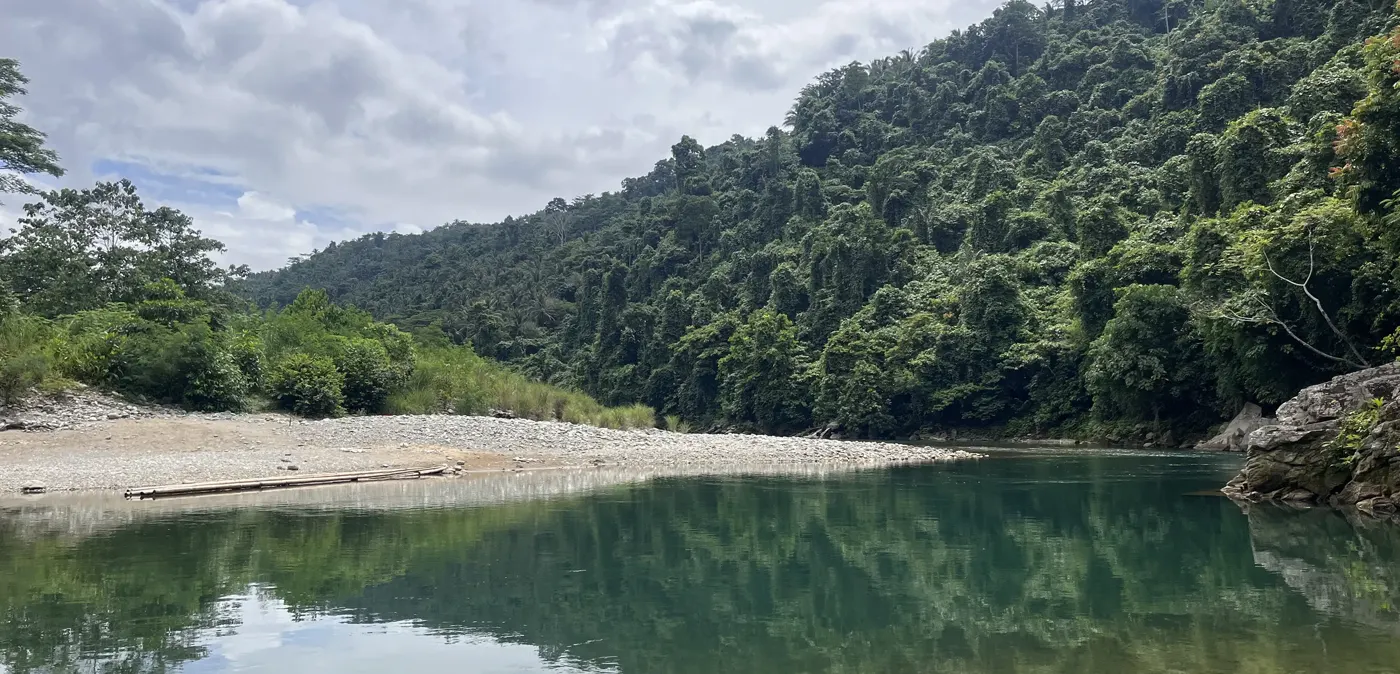
Benguet, Luzon, 1909
In 1909 the US Supreme Court ruled that an Igorot rancher in Benguet owned the land his family had held by custom, with or without a paper from Spain. The Philippine law that protects ancestral domains today, including on Mindoro where we work, still uses the Court's words.
The case
Mateo Cariño was an Igorot of Benguet, in the mountains of northern Luzon. For more than fifty years before the Treaty of Paris in 1899, he and his ancestors had held the land as owners. His grandfather fenced it for cattle, his father farmed parts of it, and he grazed it in his turn. The Igorots recognised them as owners, and he inherited it by Igorot custom.
Spain never gave him a paper title. He applied in 1893–94 and again in 1896–97, and nothing came of it. After the American takeover, the Philippine and US governments took possession of the land for public and military purposes.
When he applied to register it as his, the government argued that Spain had owned all the land it had not granted, that the United States had inherited that title, and that he was a trespasser. It added that the law capped such claims at 16 hectares. His land was 150. The Court of Land Registration granted it in 1904, but on the government's appeal the higher Philippine courts threw it out. On 23 February 1909 the US Supreme Court reversed them.
50+ years
that Cariño and his ancestors had held the land as owners before 1899, by Igorot custom and with no paper from Spain.
16 ha
the most, the government argued, that the law let it recognise. His land was 150 hectares.
1909
the Court rules for him: he “should not be deprived of what, by the practice and belief of those among whom he lived, was his property.”
What the Court said
“The argument to that effect seems to amount to a denial of native titles throughout an important part of the island of Luzon, at least, for the want of ceremonies which the Spaniards would not have permitted and had not the power to enforce.”
“…not calculated to convey to the mind of an Igorot chief the notion that ancient family possessions were in danger, if he had read every word of it.”
“The effect of the proof wherever made was not to confer title, but simply to establish it…”
“The acquisition of the Philippines was not like the settlement of the white race in the United States. Whatever consideration may have been shown to the North American Indians, the dominant purpose of the whites in America was to occupy the land.”
Then and now
1909 · The US Supreme Court
“…when, as far back as testimony or memory goes, the land has been held by individuals under a claim of private ownership, it will be presumed to have been held in the same way from before the Spanish conquest, and never to have been public land.”
1997 · The Philippine Congress
“Native Title - refers to pre-conquest rights to lands and domains which, as far back as memory reaches, have been held under a claim of private ownership by ICCs/IPs, have never been public lands and are thus indisputably presumed to have been held that way since before the Spanish Conquest.”
Mindoro, 1908
In September 1908 the US-run Bureau of Forestry mapped Mindoro for its timber. It counted 63 per cent of the island as forest, and said whose that forest was.
“The rest of the land is the property of the Philippine Government, and that portion of it which is covered with forest is defined as public forest…”
The report blamed Mangyan farming for the island's grasslands and advised clearing the coastal plains for settlers. A year later, in Cariño, the Supreme Court said that land held by custom had never been public land. Today the Mangyan communities we work with hold ancestral domain titles.
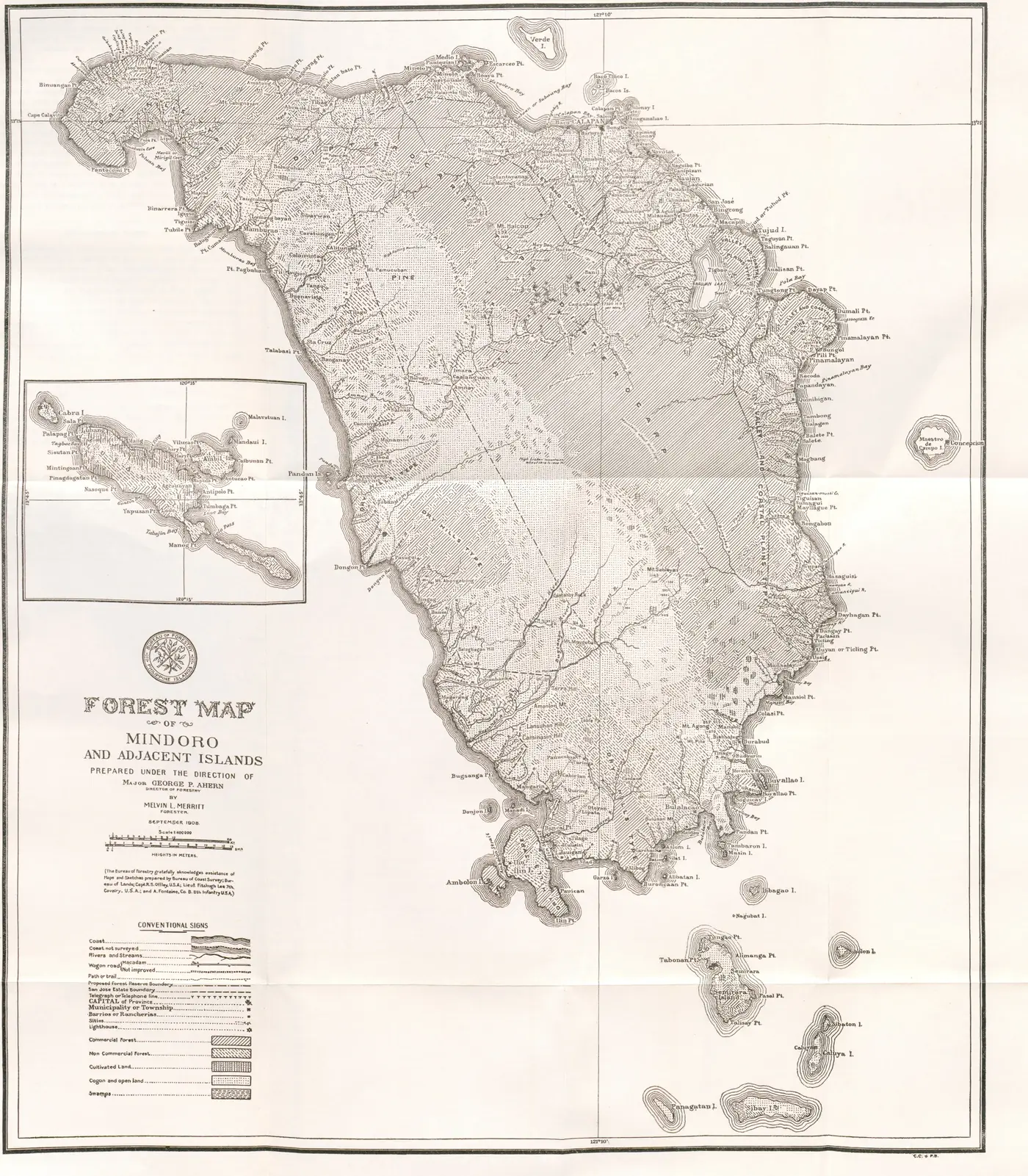
What the map has a sign for
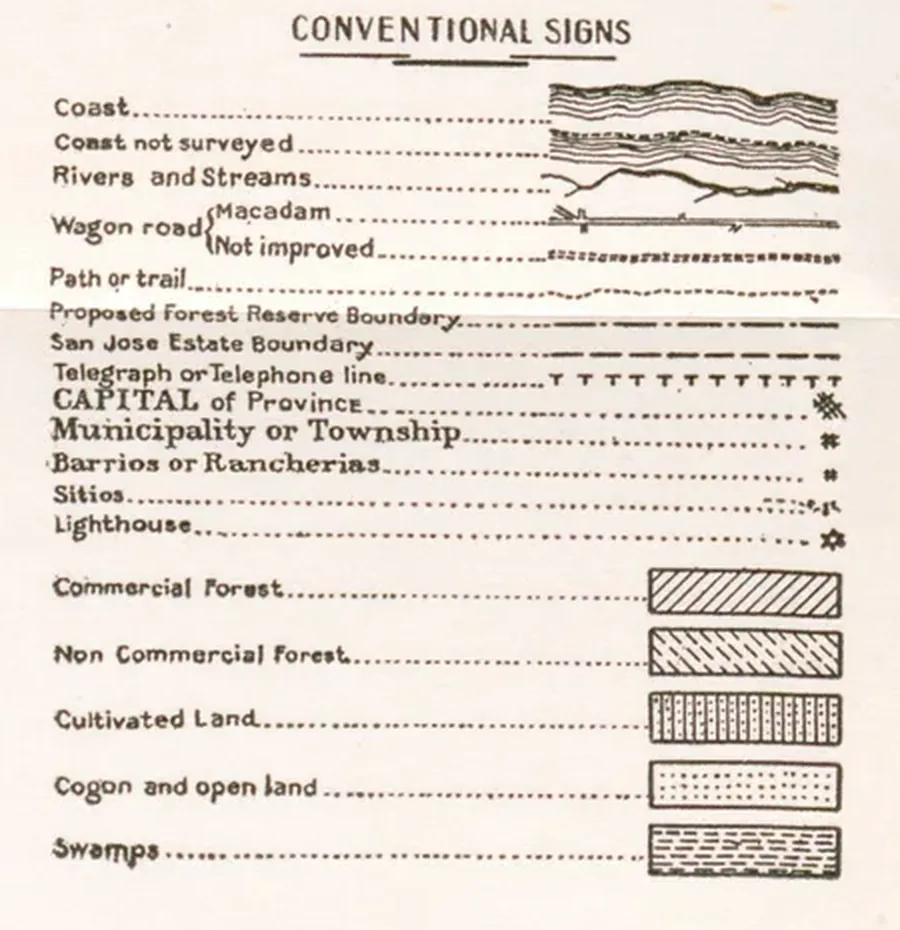
Mangyan landNo sign
Towns and hamlets are marked. Land that people held by custom is not.
Our reading
Cariño won his case. A court can say whose land it is. It cannot say what the land is worth, or make sure that the people who hold it are the ones who get paid for it.
On Mindoro, our partners hold their land: six Mangyan communities and twelve people's organisations, under ancestral domain titles and community-based forest management agreements with DENR. The same law that defines native title also bars the government from granting any concession, licence or lease on an ancestral domain without the community's “free and prior informed and written consent”.
We work in that order. Consent first, then the work, then a price the people who hold the land can check for themselves.
The history is the sources'. The section marked “Our reading” is Wovoka's view of what it means. The opinion also uses the colonial language of its time; we have not quoted those words.