Coffee

Philippine coffee, from the land up.

The Philippines grows all four of the world's commercial coffees, and has for two centuries. We work with the communities who hold the land in Mindoro and Bukidnon to find the people growing it, and to help their coffee reach your cup.

Valencia, Bukidnon

Philippine coffee

Four coffees, one archipelago.

Most coffee countries grow one or two kinds of coffee. The Philippines grows all four that the world trades: Arabica in the mountains, Robusta in the lowlands, and two coffees most drinkers abroad have never tasted, Liberica and Excelsa.

Each tastes different, and each has its own place in the islands' history. Shares are of the national harvest in 2015, the latest year with a breakdown by species.

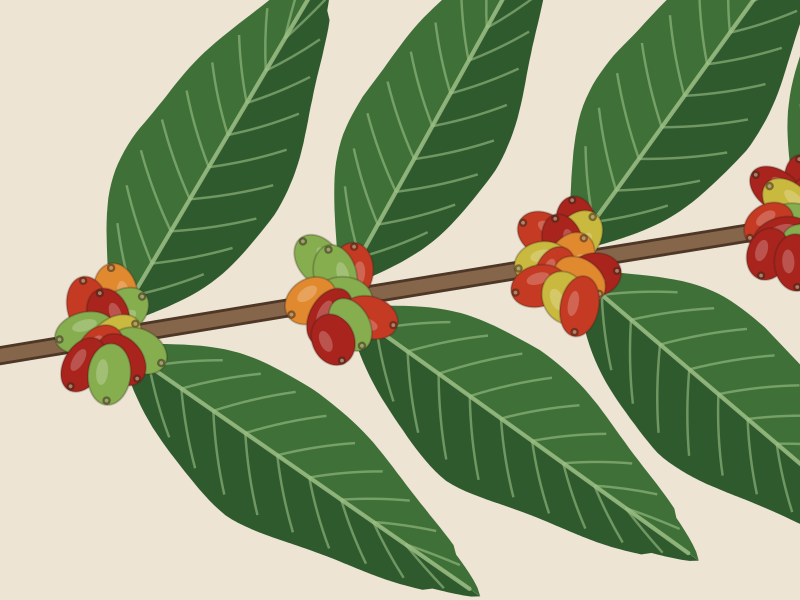
  • Illustration of an Arabica coffee branch with ripening cherries

    Arabica

    Coffea arabica

    Grown above about 1,000 metres in the Cordillera and the Mindanao highlands. Bright and clean, with fruit and a sweet finish.

    24% of the harvest

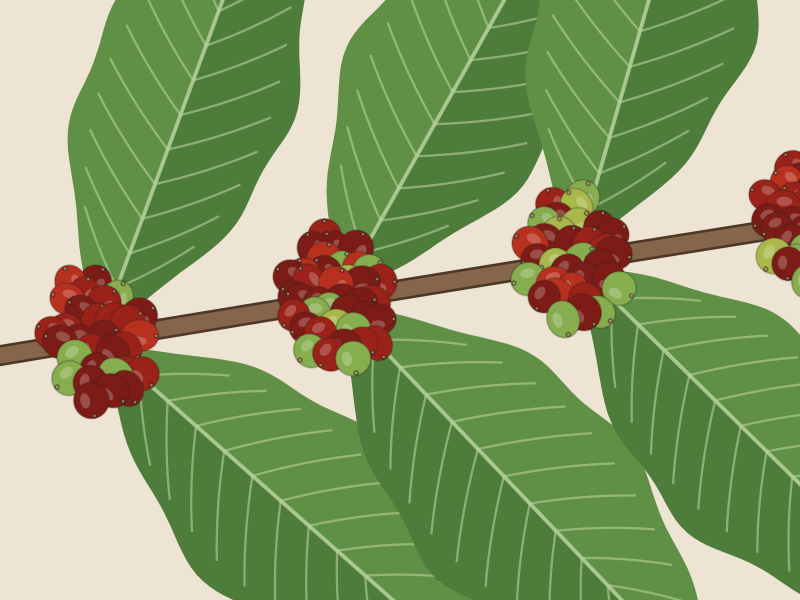
  • Illustration of a Robusta coffee branch with clusters of red cherries

    Robusta

    Coffea canephora

    Hardy and lowland, mostly from Mindanao. Bold and chocolatey when it is picked ripe and processed with care.

    69% of the harvest

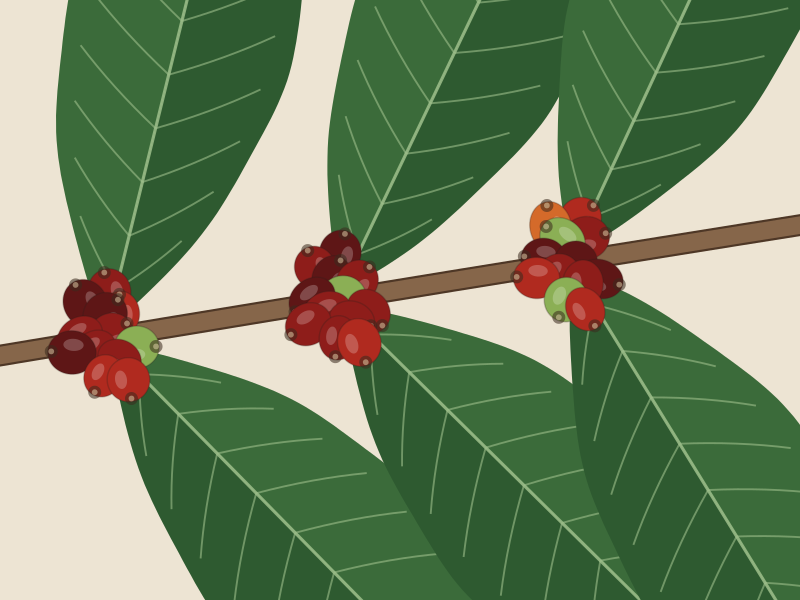
  • Illustration of an Excelsa coffee branch with dark red cherries

    Excelsa

    Coffea liberica var. dewevrei

    Tart and fruity, long grown beside Liberica. A cup few coffee drinkers outside the region have tried.

    6% of the harvest

  • Illustration of a Liberica coffee branch with large orange-red cherries

    Liberica

    Coffea liberica

    Kapeng barako, the giant bean of Batangas and Cavite. Strong, smoky and unmistakable.

    1% of the harvest

From the record

  1. 1880s

    Coffee is the islands' third or fourth export by value. Batangas coffee, sold abroad as “Manila”, makes the town of Lipa rich.

  2. 1889

    Insects, then leaf rust, kill the Batangas trees. Liberica, barako, is planted in their place, and Arabica moves up into the mountains of Benguet.

  3. 1918

    The census counts coffee province by province. Bukidnon, on the Mindanao highlands, has the most bearing trees in the country: 214,662.

  4. Today

    About 276,000 small farms grow it, most of one or two hectares, often under coconut and fruit trees. Yet the country drinks more coffee than it grows.

So why is it so hard to find?

Since the 1960s much of it has gone into instant coffee, sold without a name or a place. Farms average about 0.3 tonnes of coffee a hectare, a fraction of what well-kept farms grow. A new generation of Filipino growers, roasters and cafés is changing that, selling coffee by its origin, its variety and its farm.

To go deeper, read Kape.me, our guide to Philippine coffee: the regions, the four species, how to brew them, where to drink them, and a history in which every figure links to its source.

Our coffee

Two places, two stories of the land.

Coffee tastes of where it grows. These are the places, and the people who hold them.

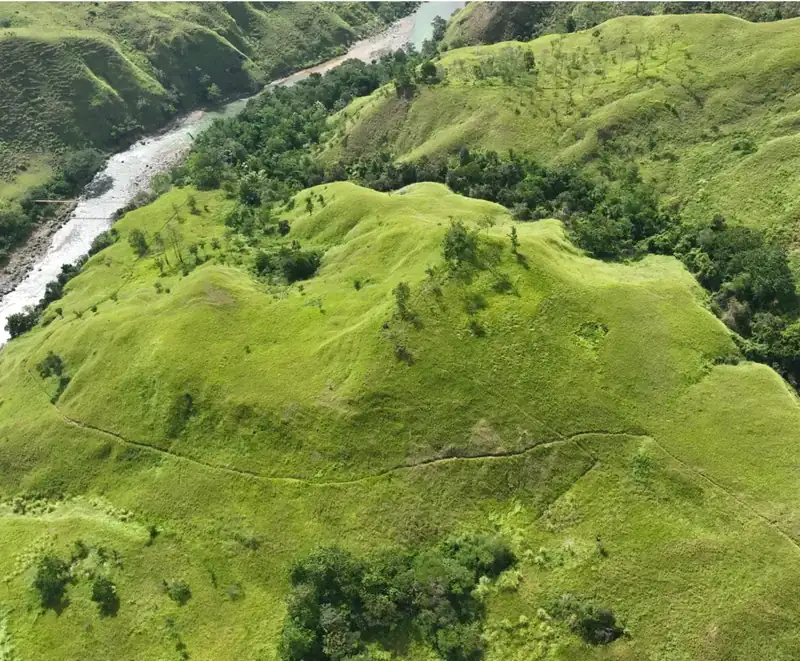
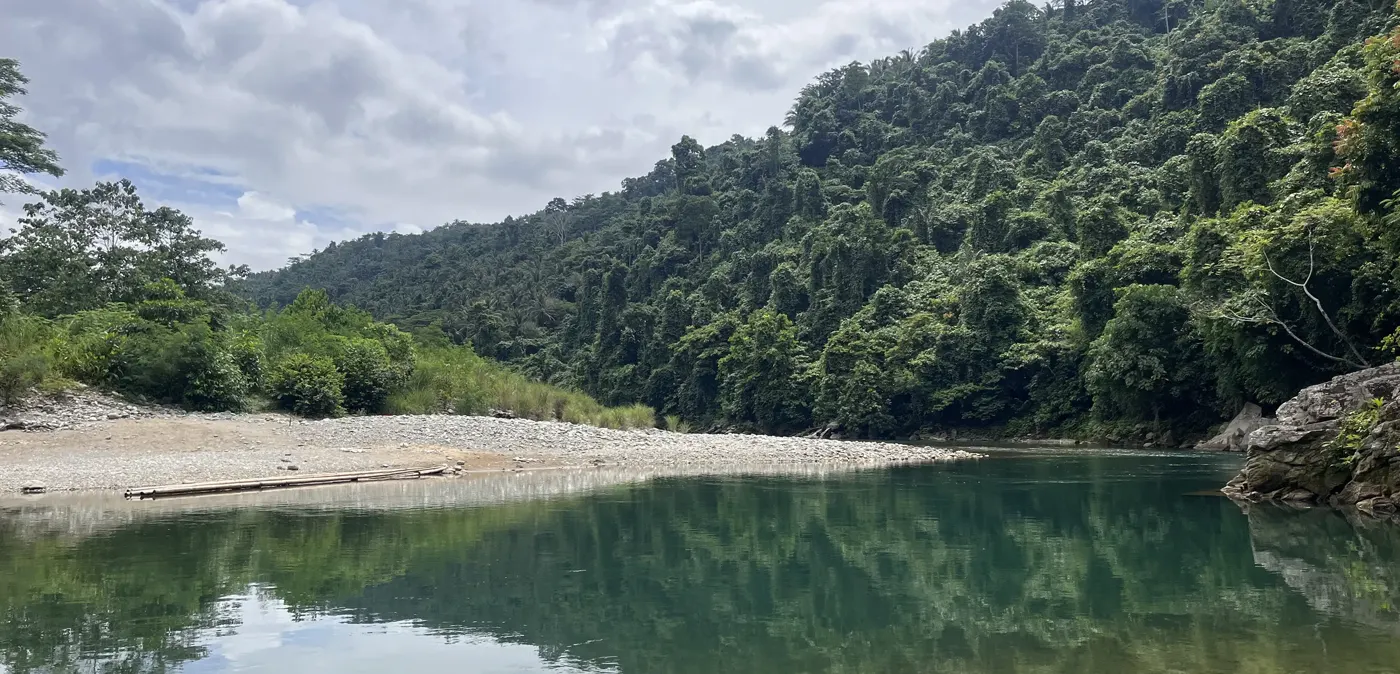
Forested hills above a calm river in Mindoro

Oriental Mindoro

Mindoro: four species, one island.

Mindoro's growers raise all four coffees, much of it under shade trees on small family farms. The island is also the only home of the tamaraw, a small wild buffalo that is critically endangered, and the mascot of Mindoro Coffee.

For almost three hundred years Mindoro has been mapped by people looking in: a Jesuit sea chart in 1734, Spanish foresters, the Bureau of Forestry in 1908, the US Army in the 1950s. Each map left the same thing blank: the people who lived there.
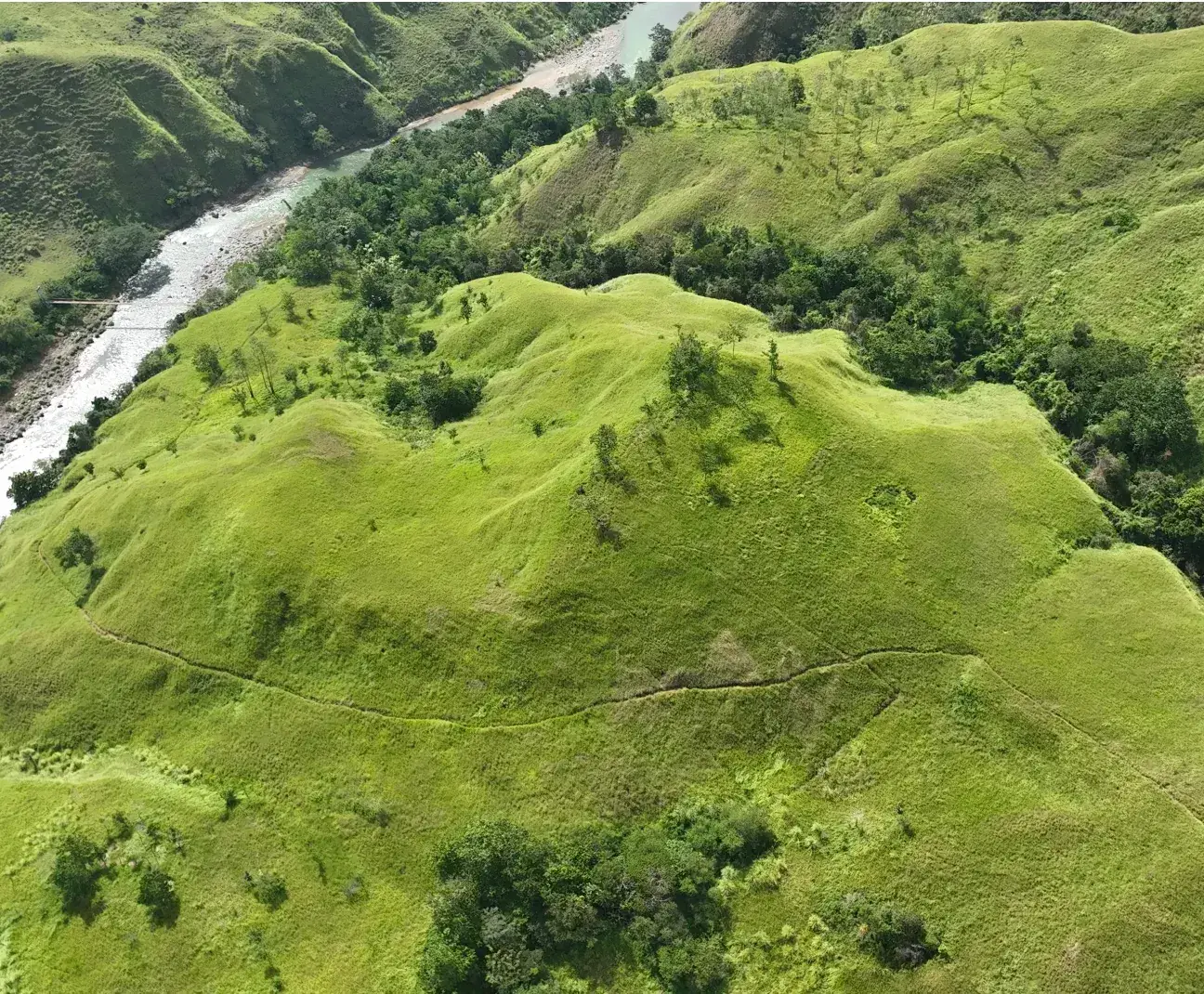
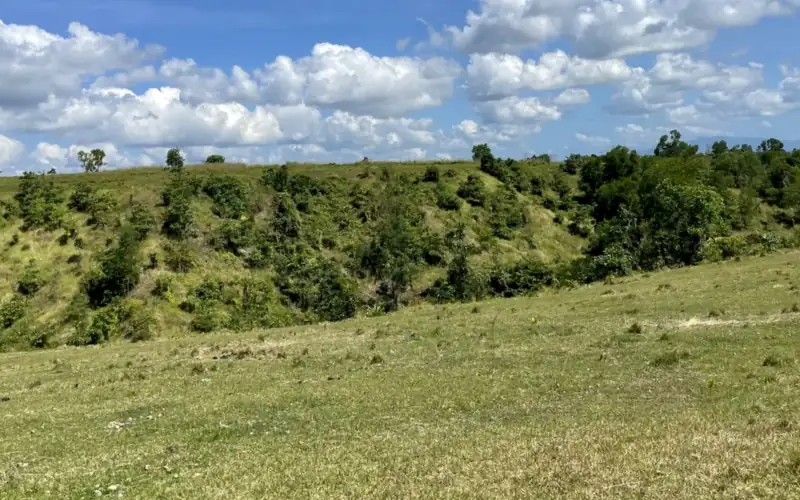
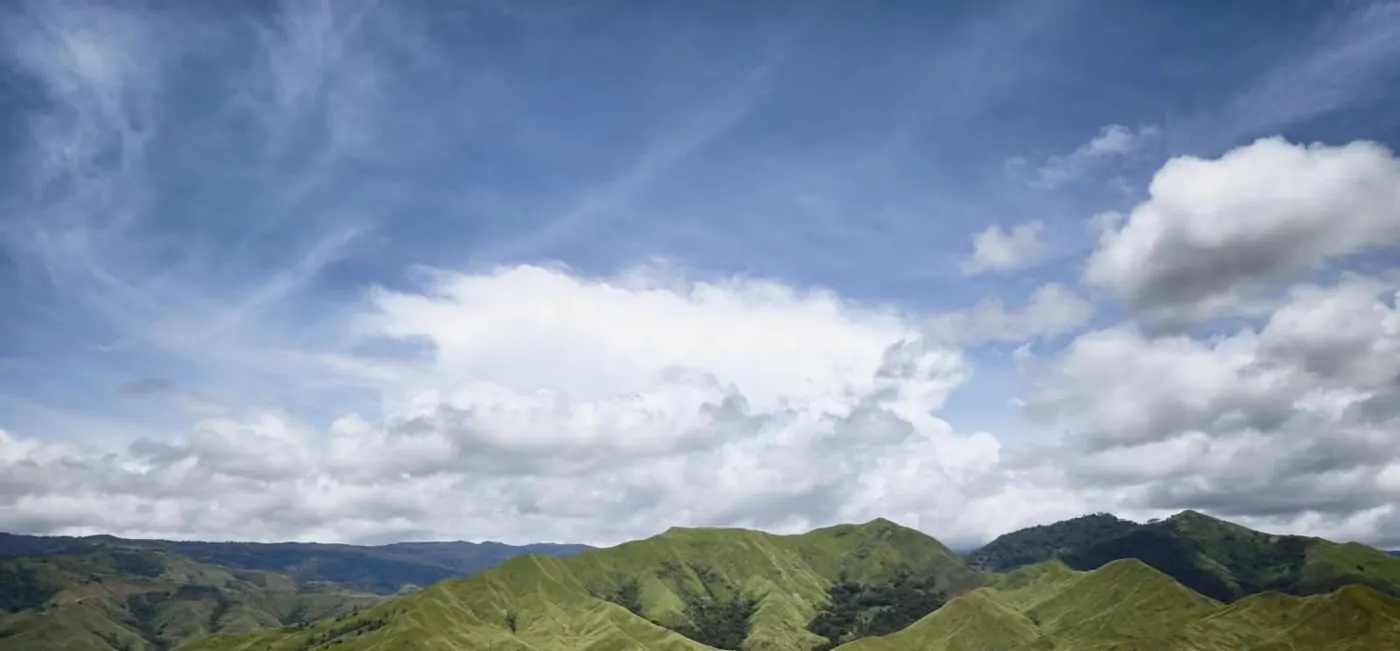
Green upland grassland and patches of trees above a river in Bukidnon

Bukidnon, Mindanao

Bukidnon: the coffee highland.

Bukidnon is a high plateau between two mountain ranges, Kitanglad and Kalatungan, where its best-known Arabica grows at 1,000 metres and above. In 1908 the town of Sumilao was the main coffee area in reach of the port at Cagayan, and by 1918 Bukidnon had more bearing coffee trees than any province in the country. When prices fell, many farmers cut their trees for corn. Now coffee is coming back.

On paper, the plateau was always waiting for someone else: mapmakers on the coast, lawmakers in Manila, census takers counting what could be ploughed. None of their records was written by the people who lived there.

How we work

We start with the people who hold the land.

Much of the upland where Philippine coffee grows is held by Indigenous communities under ancestral domain titles (CADTs), or cared for by people's organisations (POs) under forest management agreements with the government.

So that is where we begin. With the communities and POs, we find the families already growing coffee, and ask what stands between their harvest and a fair price. The answer is different in every place, so we don't arrive with one model. We look for the gap in the chain and help fill it.

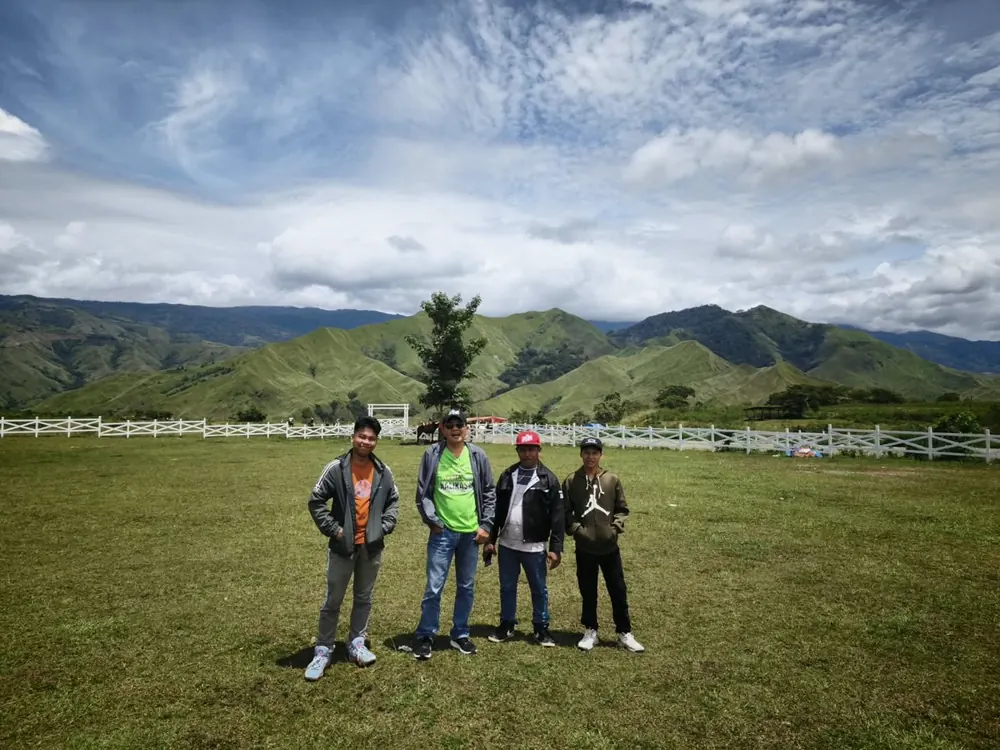
Four members of the STACO team standing on a field below green mountains in Valencia, Bukidnon

01 · Where there is no processor

Build a processing station

In San Mariano, Roxas, the people's organisation STACO is becoming the central processor for Mindoro's coffee this season, with a huller and a buying station of its own. Its team trained on the machines at a working coffee processor in Bukidnon in October 2026.

Meet STACO (opens in a new tab)
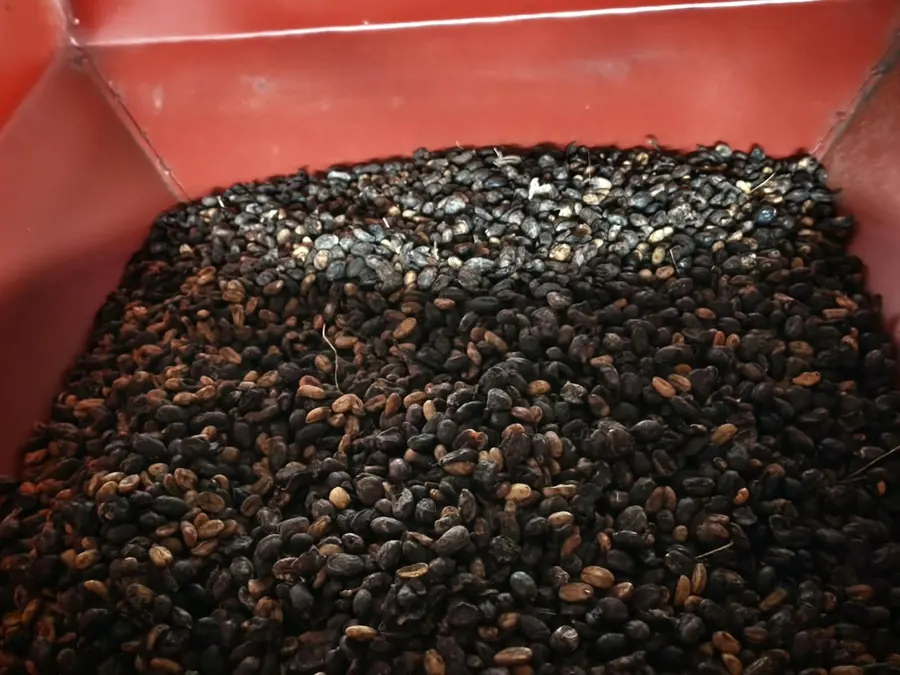
Freshly hulled coffee beans in the red hopper of a hulling machine

02 · Where the whole chain is missing

Build the island's supply chain

On Mindoro we go all the way. Mindoro Coffee is setting up buying stations in the island's coffee towns that feed STACO's central station in Roxas, and takes the coffee from the farm to the roaster and the bag.

Visit Mindoro Coffee (opens in a new tab)
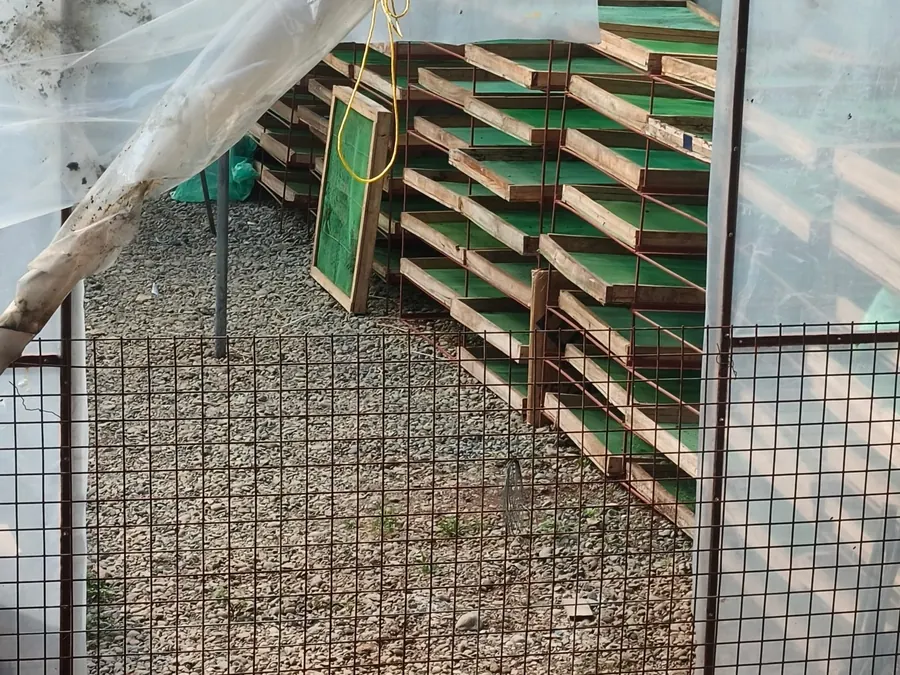
Rows of raised drying beds under a clear plastic roof

03 · Where a good processor already works

Drying stations, closer to the farms

In Bukidnon a trusted processor is already at work, so we don't compete with it. We work earlier in the chain, on drying and collecting coffee close to the farms, so it reaches the processor in good shape.

Coffee has always done best where growers chose it, and worst where it was imposed on them. Our job is to fill in the gaps, not to take over.

Coffee and the forest

A crop that grows under trees.

Coffee is a shade plant. Grown among taller trees in agroforestry, it gives a family a harvest every year while the land around it grows back into forest.

In Mindoro and Bukidnon we also run restoration projects with the communities who hold the land, bringing degraded grassland back to native forest, with coffee and cacao agroforestry part of the plan.

Taste it

Find a cup.

Mindoro Coffee sells green coffee to roasters, and bags for home. Kape.me lists the cafés and roasters serving Philippine coffee in Manila and Los Angeles.