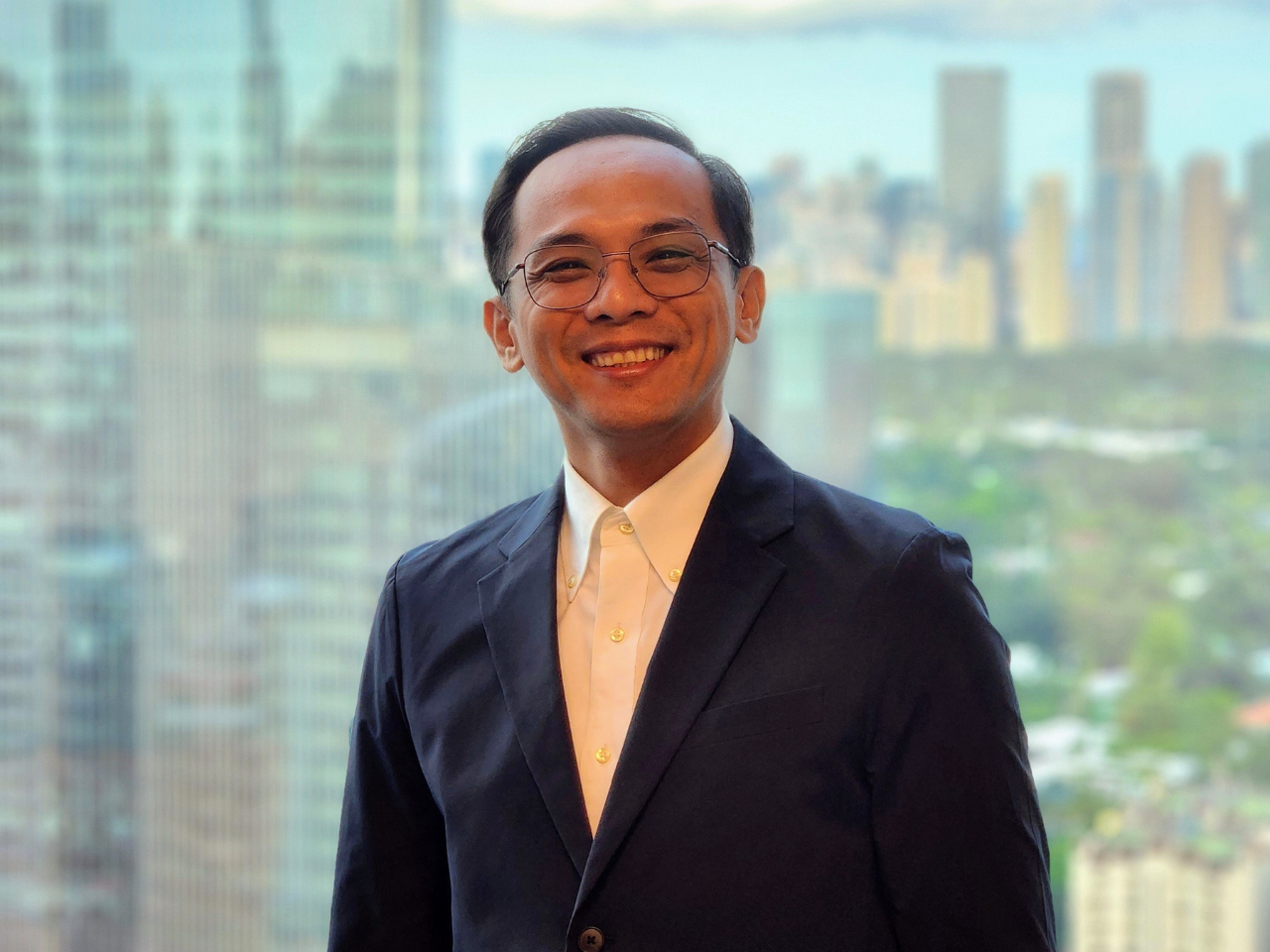
Don Olavides’s outlook on his career – and in many ways, on life – can be summed up in one line: “Make your own adventure.” He learned early to be curious and build his own path. Growing up in a world that was still mostly offline, his path was shaped by long hours spent with encyclopedias and library books, and a childhood spent exploring the nearby natural world, from vacant lots alive with urban wildlife to summers in the countryside and weekends at the beach.
The outdoors became his playground, and, as he grew older, his calling. Drawn by a fascination with the natural world, he pursued a degree in Marine Biology, followed by a Master’s in Marine Science. What captivated him wasn’t only the curiosities of nature, but the patterns that emerged, especially when people and ecosystems were viewed together. Early on, he came to see the environment as a whole system that includes human societies, a view that has guided his work ever since.
At the University of the Philippines Marine Science Institute (UP-MSI), his research on deep reefs and sea cucumbers allowed him to explore the “how” and “why” of marine systems from a technical perspective. Yet beyond science, his work revealed a bigger picture: meaningful environmental work stands at the intersection of science, people, policy, and finance.
For the past decade, Don has pursued roles and challenges that have given him a unique lens on how these elements must come together to create meaningful change. His work spans academia, the development sector, the corporate world, and government agencies – all critical stakeholders in the environmental space. This cross-sector experience has helped him understand not only the language each group uses, but also how value is defined and created in environmental projects.
“It’s not just about impact,” he says, “but the shared value that we need – we must – create together.”
The world has shifted. Sustainability is now part of the mainstream conversation. The biggest change he has noticed is that it’s no longer just about ideals; it is part of risk management, value creation, and accountability grounded in data. The challenge today is not just talking or thinking about sustainability, but truly walking the talk, measuring what matters, and investing in worthy projects.
Reflecting on the past, he notes that many opportunities were missed. Programs could have been more sustainable if there had been greater investment in both people and systems. Meaningful change, he believes, is always rooted in people and trust.
“What gives me hope are the people,” he shares, “the communities, the young professionals, the scientists, and even the corporate leaders who genuinely care and want to make a real impact.”
For Don, environmental projects are not just projects; they are a passion. They build systems – societal, cultural, and environmental – that are meant to outlast any individual. To build such systems, people need real ownership and the support to carry the work forward. Projects should be led locally, with communities and institutions at the centre, and with others supporting and aligning around shared goals.
From communities on the ground to government agencies and boardroom meetings, what people seek – and what we must strive to create – are win-win solutions.
.jpeg)
Now, as he joins Wovoka, Don brings a wealth of experience in scientific research, sustainability, and program development. His work has always focused on connecting research with real-world application: translating science into strategies that create measurable environmental and social outcomes.
At Wovoka, he focuses on integrating environmental, social, and financial dimensions into planning and execution so projects stand up to due diligence and deliver benefits on the ground. His cross-sector experience gives him a clear view of how these systems intersect and how alignment between them can drive long-term value. Aligned with the purpose of the organisation, he also believes the most effective programs are those rooted in collaboration and shared purpose, where communities, institutions, and businesses share both responsibility and benefit. At Wovoka, his role is to help cultivate that shared purpose by translating insights and policy frameworks into credible, lasting results.
In a context where sustainability risks are material to business, Don sees a growing need for organisations to move beyond compliance-driven approaches toward strategies that are integrated, measurable, and values-led.
Don envisions the next decade as a defining period for environmental work in the Philippines, one marked by collaboration, improved tools, and stronger alignment of intentions.
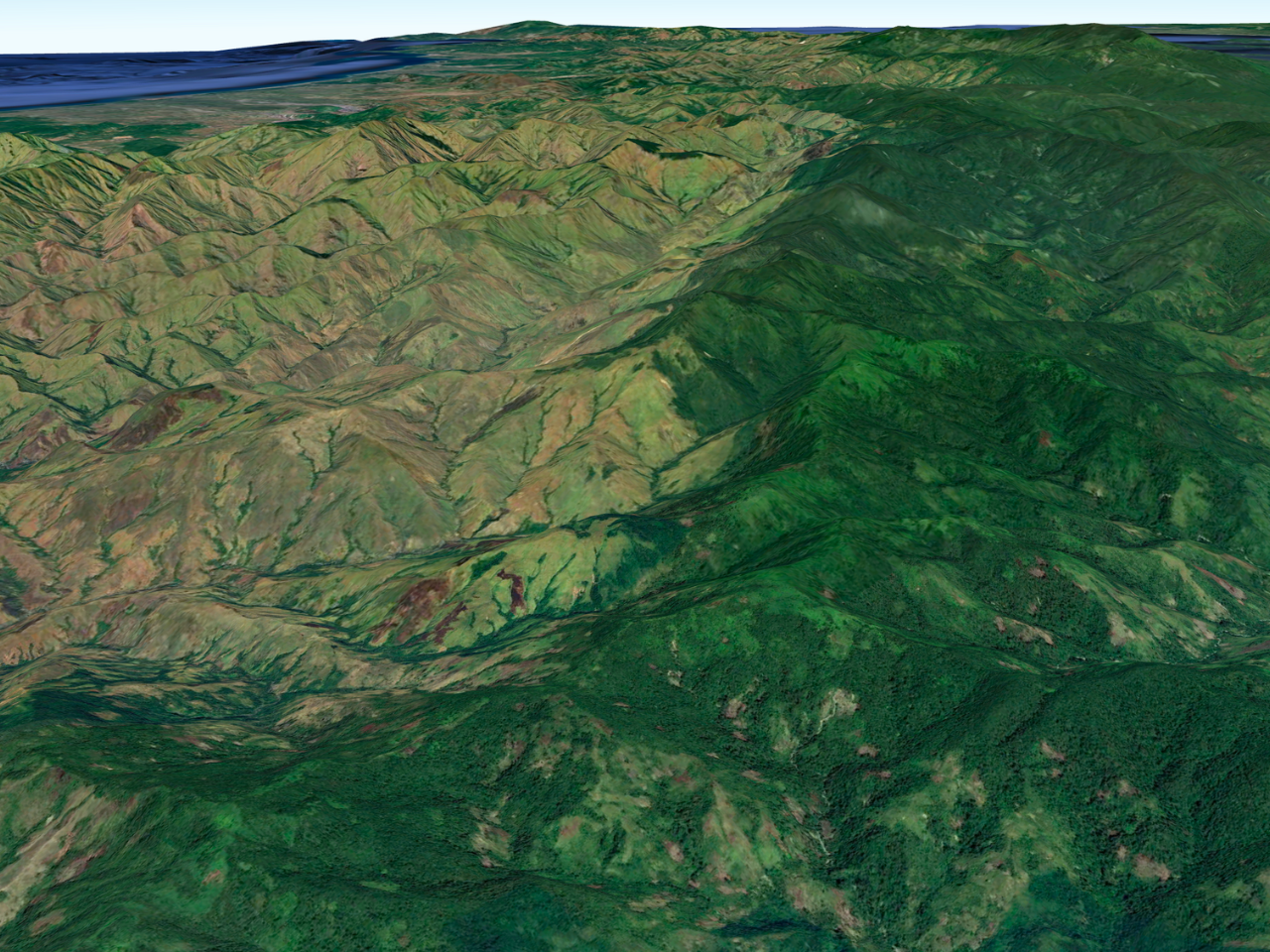
“For the Philippines, I believe the opportunity is huge,” he says. “We have tremendous biodiversity from the highlands to the ocean, and large areas with conservation and restoration potential yet to be tapped. And we have competent, good people in all sectors, from local communities to Indigenous peoples who truly care about the land and the natural heritage that they hold.” He believes that better access to data and capital, coupled with increasing awareness and commitment, creates real potential for large-scale transformation.
But he is quick to point out that progress depends on more than technology or funding. The essential ingredient, he says, is trust: trust among stakeholders, between government and citizens, and across generations. Restoration, to him, must address not only ecosystems but also the relationships and systems that sustain them.
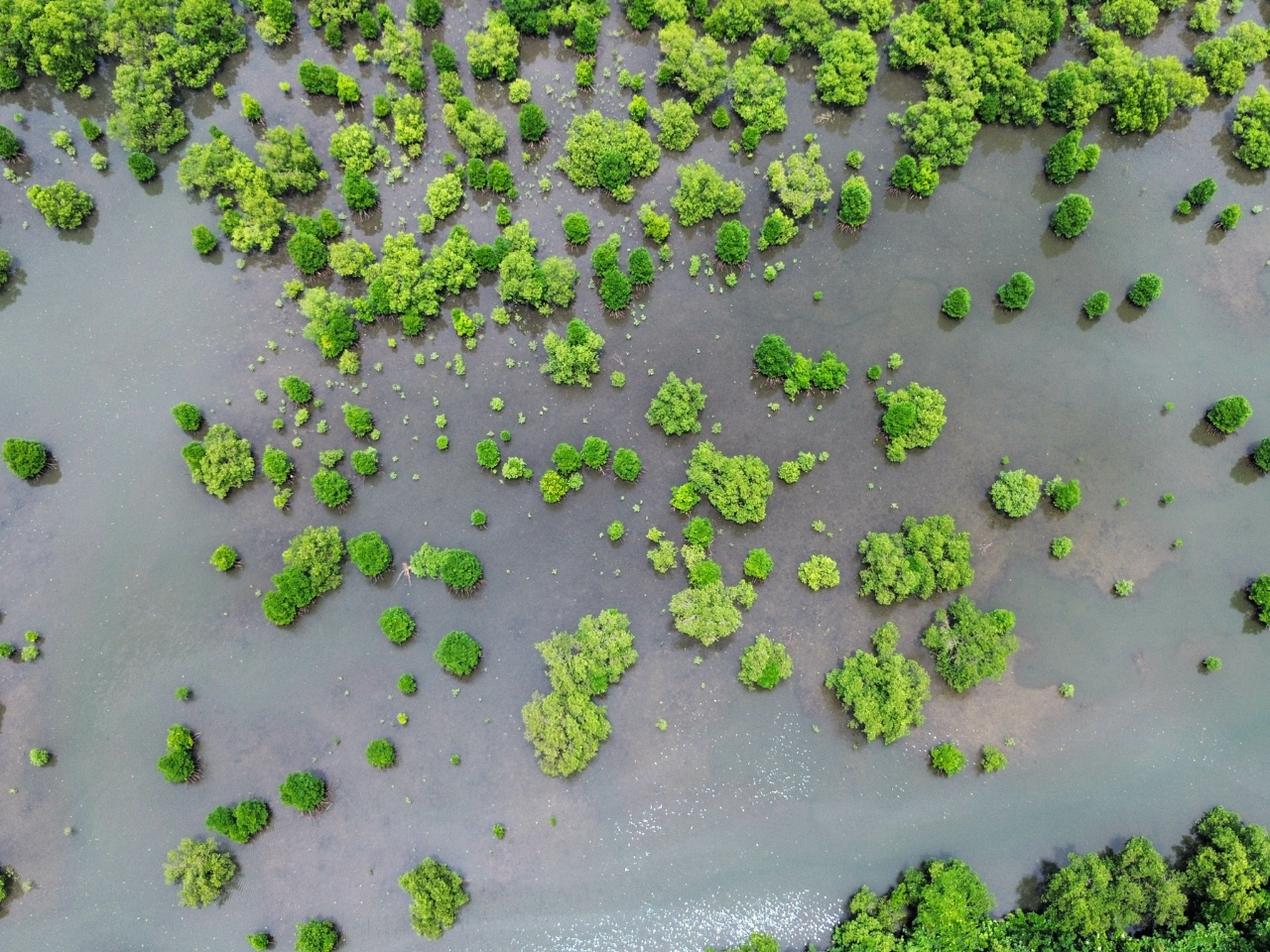
Within this evolving landscape, Wovoka aims to show that community-anchored carbon projects can meet rigorous investor standards while delivering meaningful local benefits. The model needs to be both credible and inclusive, and to show a practical pathway toward transparency, integrity, and scalable impact. Don sees this as one of Wovoka’s most important contributions to the Philippine sustainability space: proving that these nature-based solutions can be both equitable and effective.
To make this possible, he emphasises the need to bridge field realities with investor and regulatory expectations. This means turning on-the-ground information into clear insights for communication and decision-making, and into the metrics and documentation required for due diligence, all while keeping the community priorities at the centre. He believes this balance is essential for earning long-term credibility with all stakeholders.
.jpeg)
In many ways, Don’s professional path mirrors the systems he studies: evolving, interconnected, and responsive to change. What began as a fascination with natural ecosystems has become a lifelong pursuit of understanding how human systems can operate more sustainably. His journey reflects a shift from observation to participation – from studying nature’s balance to helping society find its own.
Through his work with Wovoka, Don continues to apply this integrated perspective: using science as a foundation, people as partners, and shared purpose as the path to lasting impact. He believes that the future of sustainability in the Philippines rests on collective action, a recognition that environmental progress cannot happen in isolation. It calls for cross-sector collaboration, informed decision-making, and a steadfast commitment to trust and transparency.
And, he reminds us, “We owe it to the kids growing up today, and to the next generation, to build a better world in the best way that we know how.”
In a world where sustainability shapes policy and business, Don sees his role, and Wovoka’s, as building bridges: between evidence and action, communities and capital, and today’s choices and tomorrow’s reality.